Cyprus Christian Heritage: First Nation to Embrace Faith
Cyprus Christian heritage stands as a testament to over two millennia of unbroken faith, making this Mediterranean island the world’s first officially Christian country. When the Apostle Paul arrived on these shores in 45 AD alongside Barnabas, a native Cypriot, they sparked a transformation that would forever define the island’s identity. Today, Cyprus offers cultural explorers an unparalleled journey through living history, where every monastery, church, and Byzantine fresco tells the story of Christianity’s earliest days.
The island’s conversion to Christianity predates Constantine’s Edict of Milan by nearly three centuries, establishing Cyprus as a pioneer in Christian civilization. This remarkable legacy permeates every corner of the island, from the Troodos Mountains’ painted churches to Paphos’ underground catacombs, creating an archaeological and spiritual landscape unlike any other in the Mediterranean.
The Apostolic Foundation of Cyprus Christian Heritage
The story begins in Salamis, where Paul and Barnabas first preached the Gospel in Jewish synagogues before journeying across the island to Paphos. Here, in the ancient capital, they encountered the Roman proconsul Sergius Paulus, whose conversion marked a pivotal moment in Christian history. The Apostle Paul’s successful evangelization of a Roman official demonstrated Christianity’s universal appeal and set the stage for Cyprus’ official embrace of the faith.
The archaeological site of Paphos preserves remnants of this transformative period, including the Chrysopolitissa Basilica, where St. Paul’s Pillar stands as a powerful reminder of the apostle’s suffering for his beliefs. According to tradition, Paul was bound to this pillar and received 39 lashes before converting the proconsul. This site now forms part of the Paphos UNESCO World Heritage Site, recognized for its exceptional testimony to ancient civilizations and early Christianity.
Byzantine Masterpieces in the Troodos Mountains
The Troodos Mountains shelter one of Cyprus’ most extraordinary treasures: ten Byzantine churches and monasteries decorated with exceptional frescoes spanning the 11th to 16th centuries. These structures, collectively designated as UNESCO World Heritage Sites, represent the pinnacle of Byzantine ecclesiastical art and architecture. The Church of Panagia Forviotissa (Asinou Church) contains some of the finest Byzantine wall paintings in existence, with vivid depictions of biblical scenes that have retained their color and clarity across nine centuries.
Each painted church tells its own story through layers of frescoes that chronicle evolving artistic styles and theological emphasis. The Church of Agios Nikolaos tis Stegis showcases the complete range of Byzantine painting from the 11th to 17th centuries, making it an invaluable resource for understanding Orthodox Christian iconography. These mountain sanctuaries were intentionally built in remote locations, protecting them from coastal raids while creating spiritual retreats that remain active centers of worship today.
Exploring Cyprus Christian Heritage Through Sacred Monasteries
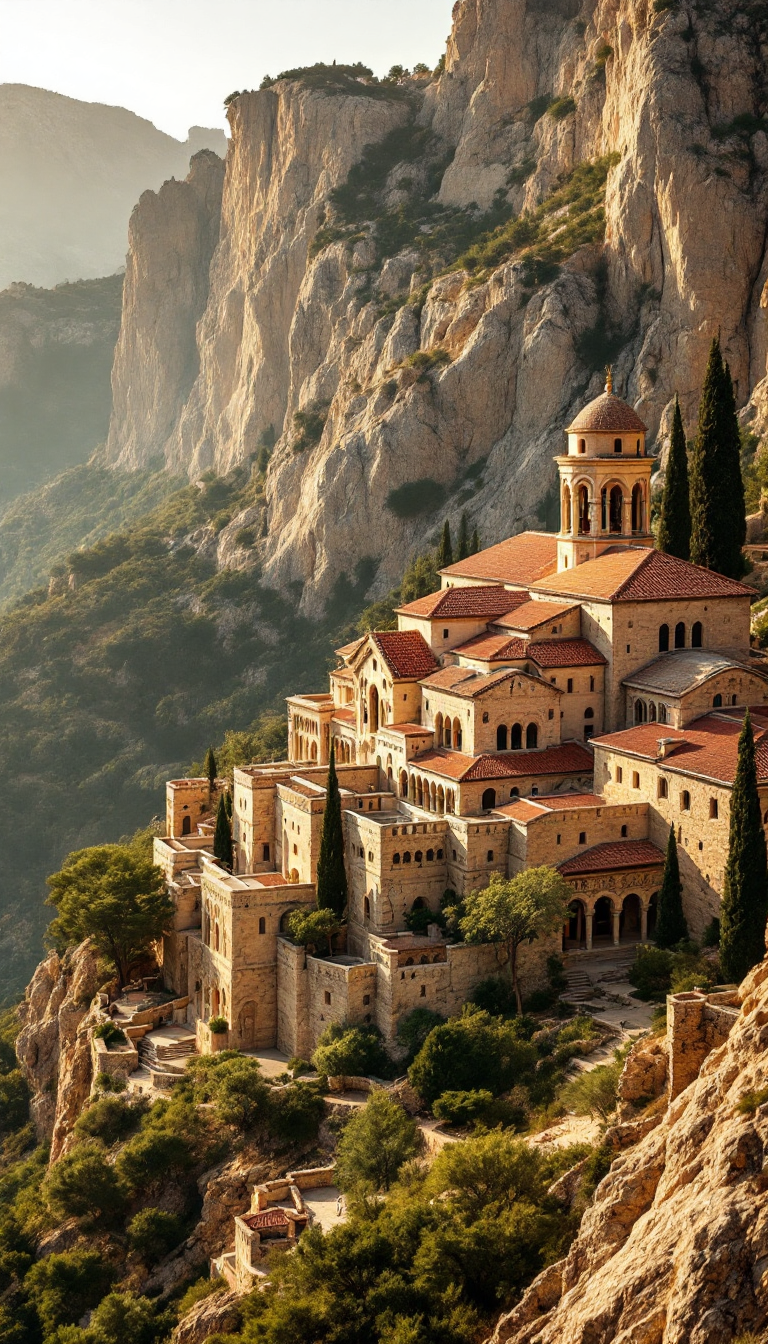
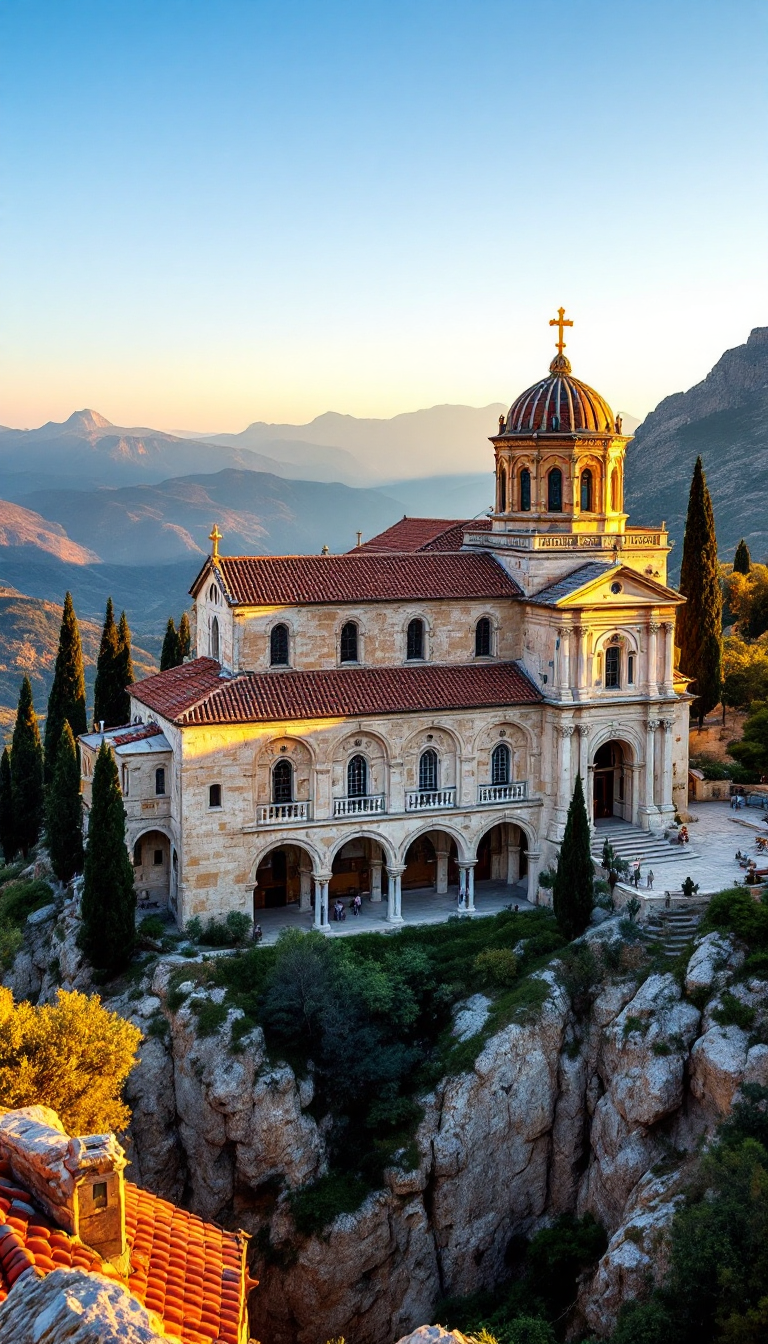
Cyprus’ monasteries represent living museums of faith, where centuries-old traditions continue uninterrupted. Kykkos Monastery, founded in 1100 AD, houses one of three icons attributed to St. Luke the Evangelist and serves as the island’s wealthiest and most prominent religious institution. Perched at 1,318 meters in the Troodos range, this architectural marvel combines Byzantine splendor with ongoing spiritual practice, offering visitors insight into Orthodox monastic life.
The Stavrovouni Monastery occupies an even more dramatic setting atop a 700-meter peak, reputedly founded by St. Helena in 327 AD. According to tradition, Helena, mother of Constantine the Great, left a fragment of the True Cross here while returning from Jerusalem. This all-male monastery maintains strict observance, with female visitors permitted only to the entrance area, preserving ancient customs that connect today’s pilgrims with Christianity’s formative centuries.
Agios Neophytos Monastery offers a more intimate encounter with Cyprus’ spiritual heritage. Founded by the hermit saint Neophytos in 1159, the complex includes the Enkleistra, a cave dwelling carved by the saint himself, adorned with remarkable 12th and 15th-century frescoes. The serene setting provides cultural explorers with opportunities for contemplation while appreciating the dedication of those who shaped Cyprus’ Christian identity.
Archaeological Treasures of Early Christianity
Beyond standing structures, Cyprus preserves extensive archaeological evidence of early Christian communities. The Catacombs of Agia Solomoni and Agia Lambrianos in Paphos offer haunting glimpses into underground worship during periods of persecution. These rock-cut tombs, originally Hellenistic, were adopted by early Christians as secret places of worship, with carved crosses and Byzantine frescoes testifying to their sacred repurposing.
The ancient city of Kourion presents another dimension of Cyprus’ Christian transformation. The 5th-century Christian Basilica stands adjacent to pagan temples, illustrating the transition from classical polytheism to Christian monotheism. The basilica’s impressive mosaic floors, depicting geometric patterns and Christian symbols, demonstrate how early Cypriot Christians adapted Roman artistic traditions to express their new faith.
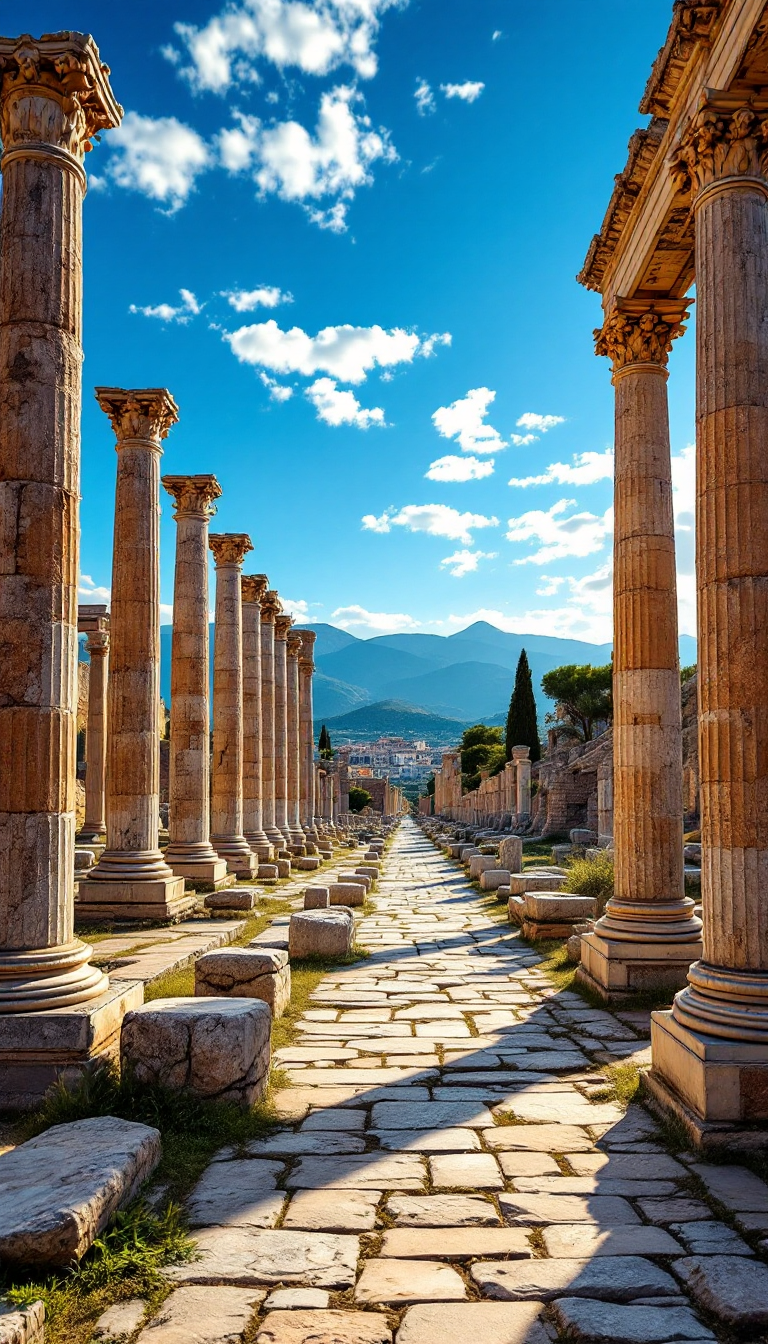
In Salamis, the ruins of the Basilica of St. Epiphanios reveal the scale and ambition of early Byzantine church construction. This 4th-century structure, one of the largest Christian basilicas in the ancient world, could accommodate thousands of worshippers and served as the seat of the Archbishop of Cyprus during the island’s golden age of Christian influence.
The Living Tradition of Orthodox Christianity
Cyprus Christian heritage extends far beyond ancient ruins; it thrives in contemporary religious practice. The Autocephalous Church of Cyprus, established in 431 AD at the Council of Ephesus, maintains independence from other Orthodox patriarchates, making it one of the oldest self-governing Christian institutions. This unique status reflects Cyprus’ pivotal role in early Church history and ensures the continuation of distinct Cypriot liturgical traditions.
Throughout the year, religious festivals bring Cyprus’ spiritual heritage to vibrant life. The Kataklysmos Festival (Festival of the Flood) celebrates Pentecost with water-based festivities unique to Cyprus, blending Christian observance with pre-Christian customs. Holy Week processions, particularly those in mountain villages, offer authentic experiences of Orthodox ritual largely unchanged since Byzantine times.
Village churches throughout Cyprus maintain daily worship services, welcoming visitors to participate in or observe Orthodox liturgy. These encounters provide cultural explorers with profound insights into how ancient traditions inform contemporary Cypriot identity. The melodic chanting, aromatic incense, and elaborate iconography create immersive experiences that transcend mere sightseeing.
Planning Your Cultural Exploration of Cyprus
When planning your journey through Cyprus’ Christian heritage, consider dedicating at least seven to ten days to properly appreciate the island’s wealth of religious sites. Spring (April-May) and autumn (September-October) offer ideal conditions, with comfortable temperatures for mountain monastery visits and fewer crowds at major archaeological sites. Deux Travel specializes in crafting personalized itineraries that balance iconic sites with hidden spiritual treasures, ensuring meaningful engagement with Cyprus’ Christian legacy.
Renting a car provides the flexibility essential for exploring remote mountain churches and monasteries, though guided tours offer valuable historical context and access to sites with restricted visiting hours. Many monasteries maintain dress codes requiring covered shoulders and knees, with some providing appropriate coverings for unprepared visitors. Photography is generally permitted in courtyards and exteriors but often prohibited inside churches to preserve fragile frescoes from flash damage.
Accommodating your exploration around religious observances enhances the experience. Attending a Sunday Divine Liturgy, even without understanding Greek, reveals the devotional heart of Cyprus Christian heritage. Many rural monasteries offer simple accommodations for those seeking immersive spiritual retreats, though advance arrangements are typically necessary.
Beyond the Mainstream: Hidden Christian Gems
While major sites deservedly attract attention, Cyprus’ lesser-known Christian monuments offer equally rewarding experiences. The Chapel of Panagia Theotokos in Trikomo features extraordinary 14th-century frescoes depicting the life of Christ with unusual iconographic details rarely seen elsewhere. The remote Church of Panagia Chryseleousa in Empa contains a miraculous icon said to have appeared spontaneously, drawing pilgrims seeking healing and spiritual solace.
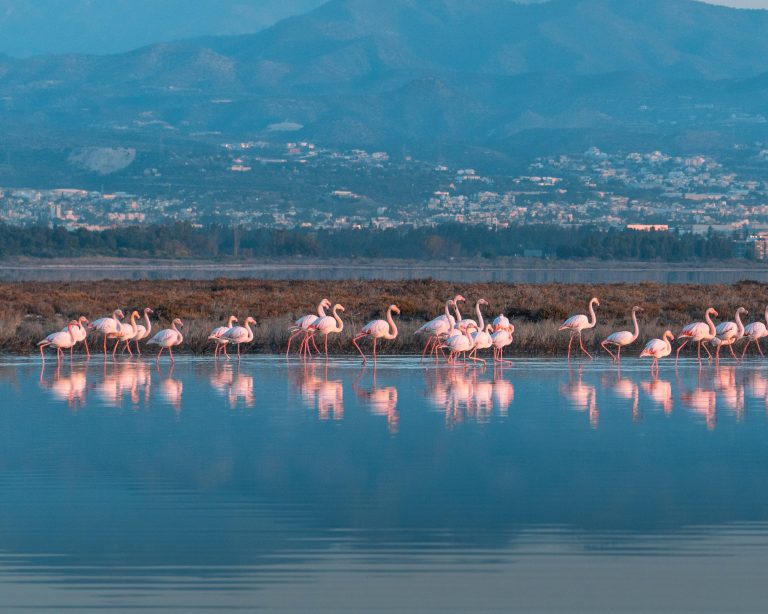
The Hala Sultan Tekke, though an Islamic shrine, represents Cyprus’ broader religious heritage and the island’s historical role as a crossroads of faiths. Situated beside the Larnaca Salt Lake, this mosque honors Umm Haram, a relative of Prophet Muhammad, demonstrating how Cyprus has served as sacred ground for multiple religious traditions throughout history.
In the Paphos Forest, the abandoned village of Vretsia conceals the tiny Church of Agios Georgios, with primitive yet powerful frescoes created by unknown rural artists. These folk art expressions of faith provide counterpoint to sophisticated Byzantine masterworks, revealing how Christianity permeated all levels of Cypriot society.
The Enduring Legacy
Cyprus Christian heritage represents more than historical curiosity; it embodies nearly two thousand years of continuous faith, artistic achievement, and cultural identity. From the moment Apostle Paul set foot on these shores, Christianity has shaped Cyprus’ destiny, creating a unique Mediterranean culture where Greek, Roman, Byzantine, and Levantine influences fused under the cross.
For cultural explorers, Cyprus offers an unmatched opportunity to trace Christianity’s evolution from persecuted sect to state religion, from simple house churches to magnificent basilicas, from primitive catacomb paintings to sublime Byzantine iconography. Each monastery, church, and archaeological site provides pieces of this grand narrative, inviting thoughtful visitors to understand how faith transforms civilizations.
As the sun sets over Kykkos Monastery or rises behind Stavrovouni’s peak, casting golden light across ancient stones and sacred icons, the living continuity of Cyprus’ Christian tradition becomes palpable. This is not a museum culture preserved in amber but a breathing heritage that connects past, present, and future through unbroken threads of belief, practice, and communal memory. For those seeking to understand Christianity’s origins and endurance, Cyprus stands as an essential pilgrimage, rewarding the culturally curious with insights found nowhere else in the Mediterranean world.