Ultimate Family Guide to Norway’s Magical Fjords Under the Midnight Sun
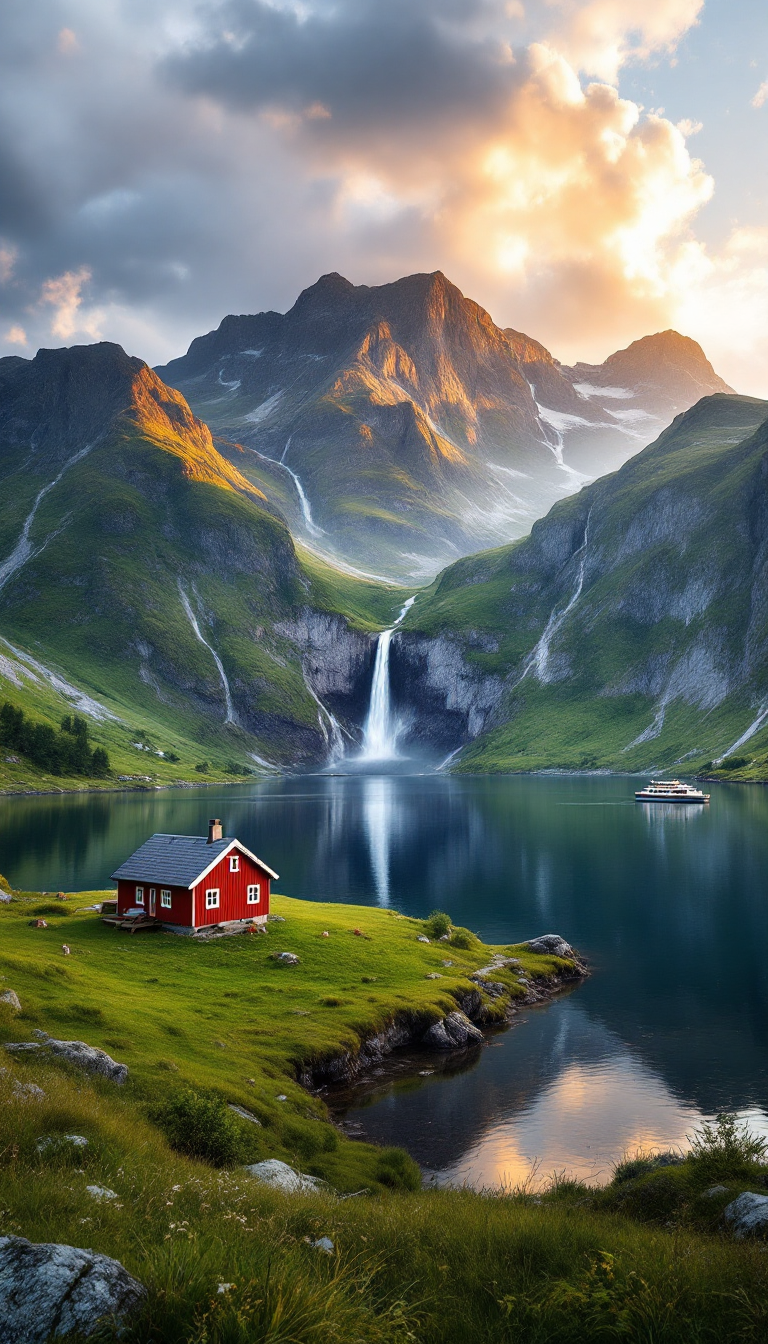
Imagine standing on the deck of a ferry at 11 PM, warm sunlight still dancing across mirror-like waters while your children point excitedly at waterfalls cascading down ancient cliffs. This is the magic of Norway’s fjords under the midnight sun—a phenomenon that transforms family travel into something truly extraordinary. Between late May and mid-July, the sun never fully sets in Norway’s Arctic regions, creating endless opportunities for exploration without the constraints of bedtime darkness.
Norway’s fjord region offers families an unparalleled blend of accessible adventure, stunning natural beauty, and child-friendly infrastructure that makes traveling with little ones genuinely enjoyable rather than stressful. From the UNESCO-protected Geirangerfjord to the dramatic Nærøyfjord, these glacially-carved waterways provide a natural playground where children can learn about geology, wildlife, and environmental conservation while creating memories that will last a lifetime.
Why the Midnight Sun Season is Perfect for Family Fjord Adventures
The extended daylight hours of Norway’s midnight sun period fundamentally change how families can experience the fjords. When sunset doesn’t arrive until after midnight—or not at all—you’re no longer racing against darkness to complete activities. Your six-year-old wants to hike to that viewpoint at 8 PM? The golden light is still perfect. Ferry schedules become flexible friends rather than rigid constraints.
Between June and mid-July, temperatures in the fjord regions hover comfortably between 15-20°C (59-68°F), ideal for layered clothing and outdoor activities without extreme heat or cold. The vegetation is lush and vibrant, wildflowers blanket the meadows, and waterfalls reach their most impressive volumes as snowmelt from the mountains feeds them. Wildlife viewing opportunities peak during these months, with seals, porpoises, and diverse seabirds active throughout the extended daylight hours.
The midnight sun also means attractions and activities operate on extended schedules. Museums, boat tours, and mountain railways accommodate the unusual daylight, giving families more flexibility to work around nap times, meal schedules, and the unpredictable rhythms of traveling with children.
Family-Friendly Fjord Destinations That Deliver Wonder
The Geirangerfjord stands as Norway’s most iconic fjord destination for good reason. This 15-kilometer stretch of UNESCO World Heritage waters features dramatic waterfalls including the Seven Sisters, the Suitor, and the Bridal Veil—each with legends that captivate young imaginations. The village of Geiranger itself is compact and walkable, with ice cream shops, playgrounds, and family-friendly restaurants within easy reach of the harbor.
From Geiranger, the Ørnesvingen (Eagle Road) offers 11 hairpin turns climbing to a viewpoint 620 meters above the fjord. Children love counting the switchbacks, and the Ørnesvingen viewing platform features safe railings and spacious areas for families to enjoy the panoramic vista without anxiety about edges or crowds.
The Nærøyfjord, branching from the larger Sognefjord, provides a more intimate fjord experience. At its narrowest point, the fjord spans just 250 meters wide with cliffs soaring 1,400 meters on either side—creating a cathedral-like atmosphere that leaves even restless children momentarily silent with awe. The village of Flåm serves as the perfect base, with its famous Flåm Railway offering one of the world’s steepest standard-gauge train journeys through 20 tunnels and past numerous waterfalls.
For families seeking easier accessibility, the Hardangerfjord region near Bergen combines fjord scenery with fruit orchards, gentle hiking trails, and the impressive Vøringsfossen waterfall. The towns of Lofthus and Ulvik offer beaches, playgrounds, and calm waters suitable for kayaking with older children.
Essential Family Activities in the Fjord Region
Fjord cruise experiences range from large comfortable ferries to smaller RIB boats, and selecting the right option depends on your children’s ages and energy levels. The classic Geiranger-Hellesylt ferry operates multiple times daily during summer, taking 60-70 minutes and allowing families to move around, use facilities, and enjoy indoor and outdoor viewing areas. Commentary in multiple languages helps children understand the geological forces that shaped these landscapes.
For families with children aged 8 and above, guided kayaking tours on calm fjord waters provide an unforgettable perspective. Paddling beneath towering cliffs, approaching waterfalls, and floating in near-silence except for the dip of paddles creates meditative moments rare in family travel. Outfitters in Flåm, Geiranger, and Balestrand provide child-sized equipment and experienced guides who understand pacing for younger participants.
The Flåm Railway journey from Flåm to Myrdal ranks among Europe’s most spectacular train rides and perfectly suits families. The 20-kilometer route climbs 863 meters through 20 tunnels, with a photo stop at Kjosfossen waterfall where a folkloric performance often entertains passengers. The entire journey takes about an hour each way, manageable even for restless children, especially when they can spot waterfalls, mountain farms, and dramatic landscapes from large windows.
Hiking opportunities abound at all difficulty levels. The Briksdal Glacier walk offers a relatively easy 3-kilometer round-trip trail suitable for children aged 5 and up, leading to views of the glacier tongue descending from the Jostedalsbreen ice cap. The trail is well-maintained with gradual elevation gain, and the proximity to such a massive ice formation provides tangible climate education.
Practical Tips for Fjord Travel with Children
Norway’s efficient but expensive transportation infrastructure requires strategic planning for family travel. The Norway in a Nutshell route connecting Bergen, Flåm, and Oslo via trains, buses, and ferries offers excellent value and eliminates driving stress. Book tickets in advance through the official Norway in a Nutshell website for family discounts and guaranteed seating together.
If renting a vehicle, compact cars navigate the narrow fjord-side roads more easily than larger vehicles, but ensure adequate luggage space. Many mountain roads remain closed until late May or early June due to snow, so verify road status through the Norwegian Public Roads Administration website before planning routes.
Accommodation options range from family-friendly hotels to traditional Norwegian cabins (hytter) with kitchenettes that reduce meal costs. Properties in Geiranger, Flåm, Balestrand, and Lofthus often feature playgrounds, lending libraries with English books, and staff experienced with family needs. Book well in advance for June and July, as midnight sun season represents peak demand.
Pack layers rather than heavy clothing—temperatures fluctuate throughout the day, and children regulate temperature differently than adults. Rain gear is essential regardless of forecast; fjord weather changes rapidly, and mist from waterfalls can soak clothing surprisingly quickly. Waterproof bags protect electronics and spare clothing during boat trips.
Food costs in Norway rank among Europe’s highest, so stock up on groceries for picnics, snacks, and simple meals. Supermarkets in larger towns like Geiranger, Flåm, and Balestrand offer reasonable prices compared to restaurants. Norwegian convenience stores sell familiar snacks that comfort picky eaters, though introducing children to Norwegian waffles with brown cheese (brunost) often becomes a highlight.
Managing Midnight Sun Sleep Schedules with Kids
The midnight sun’s continuous daylight presents unique challenges for children’s sleep routines. Pack blackout blinds or large garbage bags with painter’s tape to cover windows in accommodations lacking proper darkening curtains. Many Norwegian hotels catering to families provide darkening options, but confirming in advance prevents midnight struggles with overtired children.
Maintain approximate normal bedtimes despite the light—the novelty of late-night sunshine tempts extending activities, but sleep-deprived children rarely enjoy travel regardless of the spectacular surroundings. Use the extended daylight strategically: early morning activities between 6-8 AM happen in beautiful light with fewer crowds, allowing earlier evening wind-down despite the bright sky.
Consider shifting schedules slightly later—bedtime at 9 PM instead of 7:30 PM—but avoid dramatic changes that disrupt children’s natural rhythms. The midnight sun’s energy can be intoxicating for adults, but children still require adequate sleep to process experiences and maintain good moods.
Sustainable Family Travel in the Norwegian Fjords
Norway’s commitment to sustainable tourism aligns beautifully with teaching children environmental responsibility. The fjords’ fragile ecosystems depend on visitor respect, and families can model conservation behaviors that children internalize. Choose electric or hybrid ferry options when available—many routes now offer zero-emission vessels that glide silently through the waters.
Follow Leave No Trace principles rigorously: pack out all trash, stay on marked trails, and respect wildlife viewing distances. Many fjord-side communities offer recycling facilities with clear signage; involving children in sorting recyclables reinforces environmental lessons in practical ways.
Support local businesses in small fjord communities rather than international chains. Family-run restaurants, craft shops, and tour operators depend on tourism income and provide authentic cultural exchanges that enrich travel experiences beyond mere sightseeing.
Consider traveling in late May or early September rather than peak July weeks. These shoulder season periods offer midnight sun or long daylight hours with smaller crowds, reduced environmental impact, and often lower prices—a combination that benefits both the destination and your family budget.
Planning Your Family Fjord Adventure
Most families find 7-10 days ideal for experiencing the Norwegian fjords without exhausting young travelers. A typical itinerary might include: flying into Bergen (2 nights), traveling to Flåm via the scenic Bergen Railway (3 nights), continuing to Geiranger (2 nights), and returning through the Romsdalen valley or flying from Ålesund.
Bergen serves as an excellent starting point, offering the UNESCO-listed Bryggen wharf, the Fløibanen funicular to Mount Fløyen with family-friendly hiking trails, and excellent museums including the child-friendly VilVite science center. The city’s compact size and pedestrian-friendly layout make it manageable with strollers or tired young legs.
Deux Travel specializes in curating family fjord itineraries that balance spectacular sights with practical considerations like appropriate hiking difficulty, meal accessibility, and accommodation comfort. Our family travel specialists understand that successful trips with children require different planning than adult-only adventures—building in downtime, identifying playgrounds and child-friendly restaurants, and suggesting activities that engage rather than bore young minds.
The Norwegian fjords under the midnight sun offer families something increasingly rare: genuine adventure in safe, accessible environments where nature’s grandeur speaks for itself. Your children may not remember every waterfall’s name or fjord’s depth, but they’ll remember the feeling of endless summer evenings, the scale of mountains rising from the sea, and the realization that our planet contains wonders worth protecting.
Ready to create midnight sun memories with your family? Visit deuxtravel.com to start planning your Norwegian fjord adventure today. Our family travel experts will craft an itinerary matching your children’s ages, interests, and energy levels—ensuring your Arctic summer becomes the journey your family reminisces about for years to come.