Cyprus Christian Heritage: Ancient Churches & Monasteries
Cyprus Christian heritage stands as a profound testament to faith, history, and architectural mastery spanning nearly two millennia. As the world’s first officially Christian nation, Cyprus offers cultural explorers an unparalleled journey through sacred sites, Byzantine masterpieces, and living monasteries that continue to inspire reverence and wonder.
The Birth of Christianity in Cyprus
The story of Cyprus Christian heritage begins in 45 AD when the Apostles Paul and Barnabas arrived on the island during their first missionary journey. Their visit culminated in the conversion of the Roman proconsul Sergius Paulus, making Cyprus the first territory to be governed by a Christian ruler. This pivotal moment in religious history transformed the island into a beacon of early Christianity in the Mediterranean world.
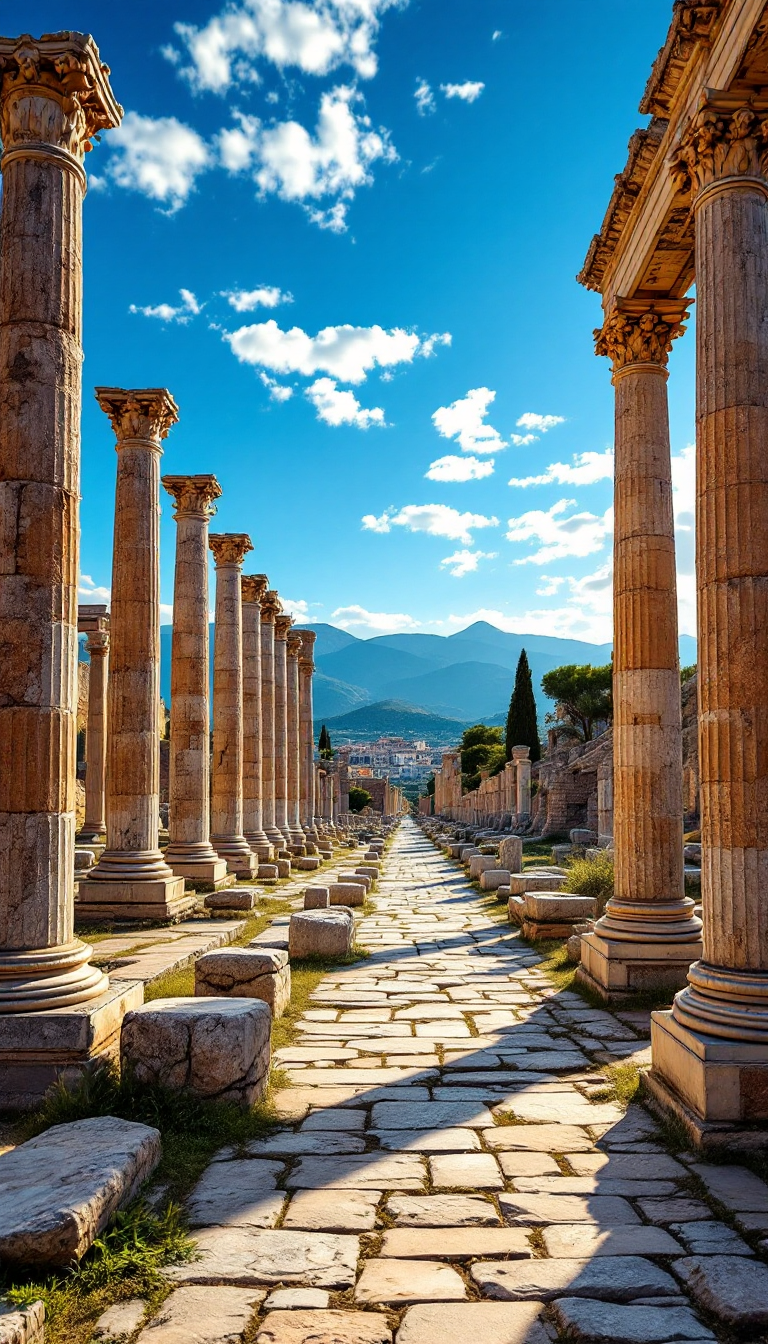
The archaeological site of ancient Paphos preserves the very foundations where these transformative events occurred. St. Paul’s Pillar, where tradition holds the apostle was bound and flogged before his miraculous conversion of the proconsul, remains a powerful pilgrimage destination. According to the Cyprus Tourism Organisation, these early Christian sites attract scholars and pilgrims from across the globe seeking to connect with Christianity’s formative years.
Byzantine Churches: Architectural Treasures
The painted churches of the Troodos Mountains represent the pinnacle of Cyprus Christian heritage. These ten UNESCO World Heritage monuments house some of the finest examples of Byzantine and post-Byzantine wall paintings in existence. Built between the 11th and 16th centuries, these churches were decorated by master artisans whose frescoes depict biblical narratives with extraordinary detail and emotional depth.
The Church of Panagia tou Araka near Lagoudera showcases the sophistication of 12th-century Byzantine art. Its interior surfaces explode with color and religious imagery, from the Pantocrator in the dome to intricate scenes from the life of Christ covering every available wall space. The pigments, derived from natural minerals and organic materials, have retained their vibrancy for over 800 years, a testament to both artistic skill and the dry mountain climate that preserved them.
Similarly, the Church of Agios Nikolaos tis Stegis, with its distinctive steep-pitched wooden roof, contains frescoes spanning four centuries. This layering of artistic periods within a single structure allows visitors to trace the evolution of Byzantine iconographic style, making it an invaluable resource for understanding the development of Orthodox Christian art.
Monastery Life and Spiritual Tradition
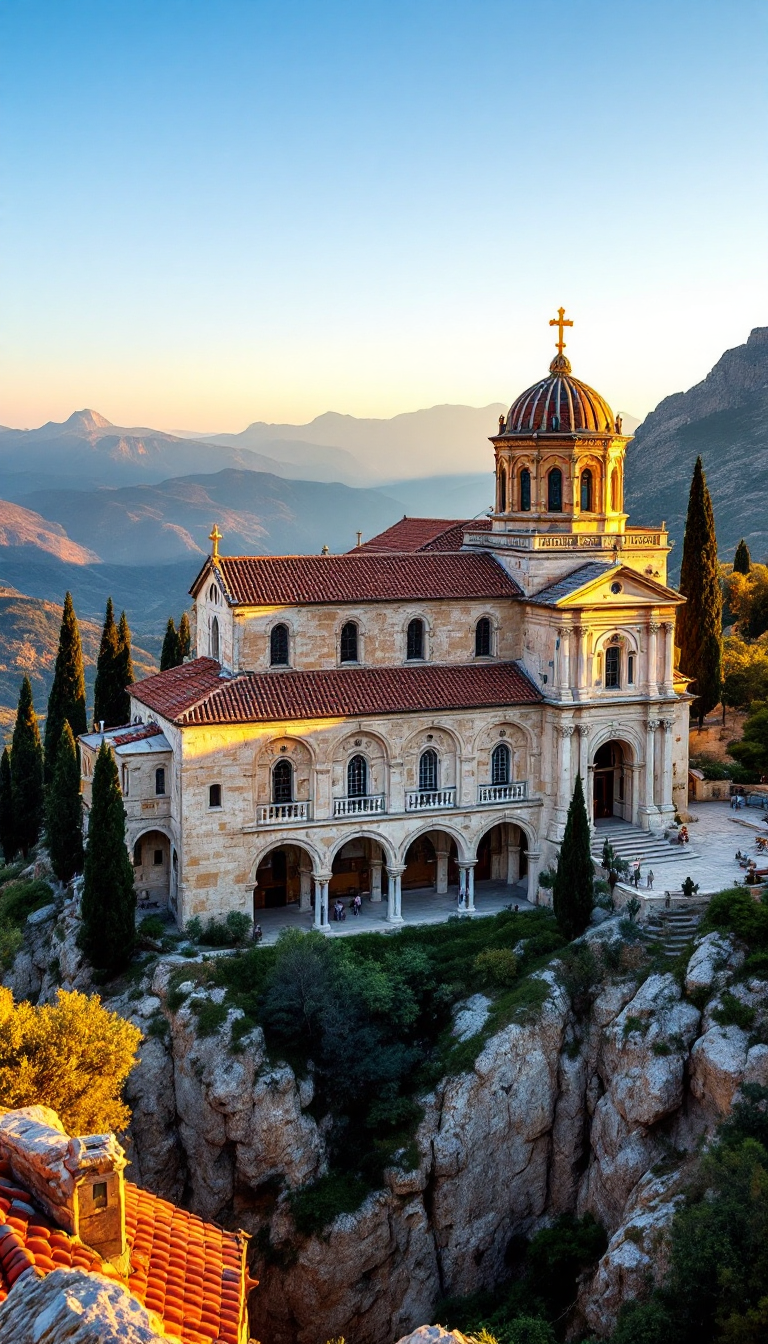
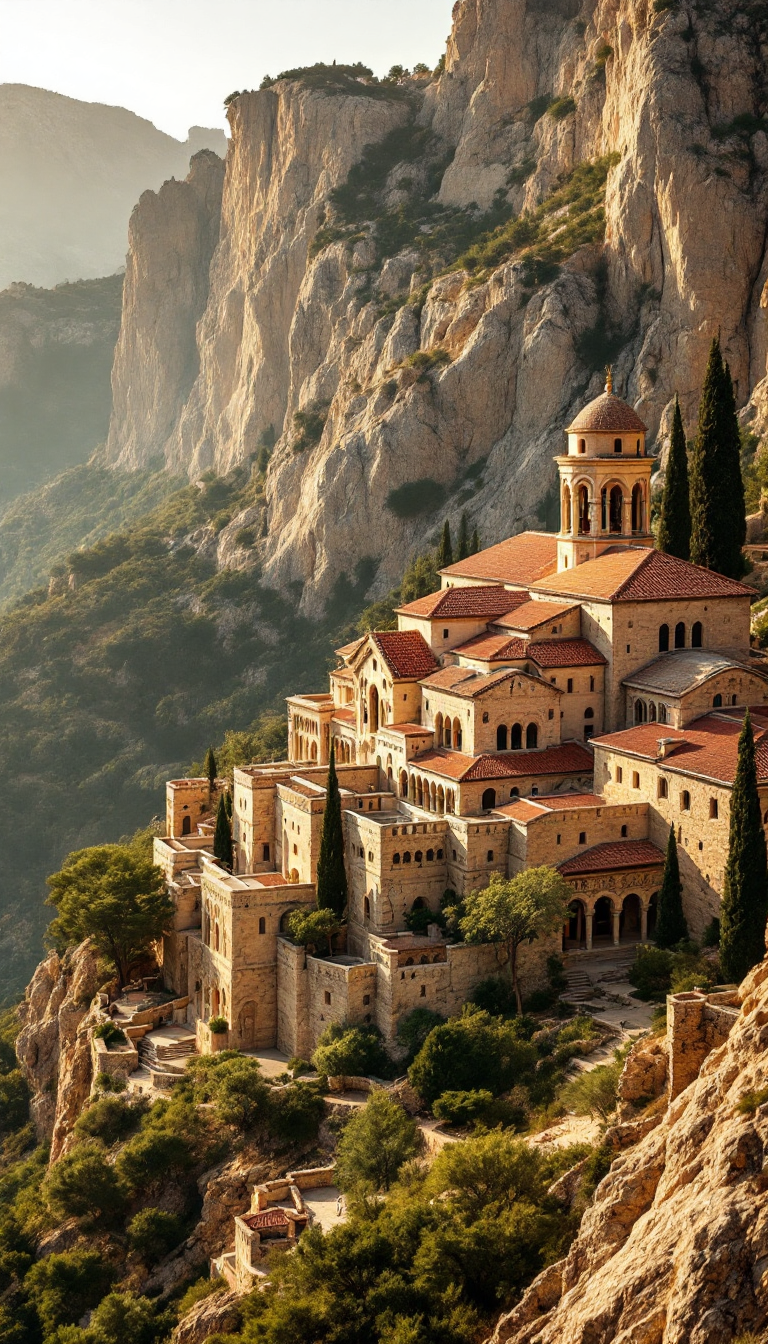
Active monasteries form the living heart of Cyprus Christian heritage. Kykkos Monastery, founded in the late 11th century and located high in the western Troodos Mountains, houses one of three icons attributed to St. Luke the Evangelist. This revered icon of the Virgin Mary, believed to possess miraculous powers, has never been fully unveiled, remaining covered in silver gilt that adds to its mystique and spiritual significance.
The monastery complex itself represents centuries of reconstruction and embellishment following fires and earthquakes. Its museum contains extraordinary ecclesiastical treasures, including ancient manuscripts, embroidered vestments, and wood carvings that chronicle the artistic traditions of Cypriot Orthodox Christianity. Visitors who plan their journey with Deux Travel can experience these sacred spaces with expert guidance that illuminates both historical context and spiritual significance.
Stavrovouni Monastery, perched dramatically atop a rocky peak visible for miles across the Larnaca plain, offers a different monastic experience. Founded in 327 AD by St. Helena, mother of Constantine the Great, this austere community follows ancient ascetic traditions. The monastery’s most precious relic is a fragment of the True Cross, brought to Cyprus by St. Helena herself during her return from Jerusalem. Though women are not permitted to enter the main monastery due to traditional Orthodox practice, the nearby Museum of Stavrovouni Monastery welcomes all visitors to explore its collection of sacred artifacts.
Hidden Chapels and Rural Sanctuaries
Beyond the famous sites, countless rural chapels dot the Cypriot landscape, each with its own story contributing to the broader tapestry of Cyprus Christian heritage. These modest structures, often built by local communities or individual families as acts of devotion, reveal the deeply personal nature of faith on the island.
The Church of Panagia Chrysopolitissa in Paphos, built in the 13th century on the foundations of a 4th-century basilica, demonstrates this layering of sacred geography. Its compound includes the remains of early Christian floor mosaics and St. Paul’s Pillar, creating a physical timeline of Christian worship spanning 1,700 years. Archaeological excavations continue to reveal new details about the early Christian community that gathered in this space.
In the Akamas Peninsula, the small Agios Andronikos Chapel sits isolated among wild olive groves and carob trees. Its simple whitewashed walls and blue-painted dome epitomize rural Cypriot ecclesiastical architecture. Inside, recently restored frescoes from the 15th century depict local saints alongside traditional biblical scenes, reflecting how villages personalized their spiritual spaces while maintaining connections to broader Orthodox traditions.
Exploring Cyprus Christian Heritage Through Sacred Art
The iconographic tradition of Cyprus represents a unique fusion of Byzantine, Venetian, and local influences. The Byzantine Museum in Nicosia houses the island’s most comprehensive collection of icons, ranging from the 9th to the 19th centuries. These portable devotional images served not merely as decoration but as windows into the divine, following strict theological and artistic conventions that governed everything from color symbolism to compositional structure.
Master icon painters like Ioannis Kornaros, who worked in the 15th and 16th centuries, developed a distinctly Cypriot style characterized by elongated figures, expressive faces, and rich gold leaf backgrounds. His works can be found in churches and museums throughout the island, offering cultural explorers insight into how artistic traditions evolved while maintaining spiritual authenticity.
The technique of egg tempera painting, where pigments are mixed with egg yolk and applied to wooden panels prepared with gesso, required extraordinary skill and patience. The luminosity achieved through this method, particularly in depictions of sacred light emanating from Christ and the saints, creates an ethereal quality that transcends mere representation.
Pilgrimage Routes and Sacred Landscapes
Walking pilgrimage routes connect many of Cyprus’s Christian sites, offering contemplative journeys through landscapes that have witnessed centuries of devotion. The Troodos Mountains contain networks of ancient paths that linked monasteries and allowed monks to travel between communities while maintaining their ascetic practices.
The cultural route from Paphos to Kykkos Monastery follows traditional pathways through pine forests, past mountain springs, and along ridges offering panoramic views across the Mediterranean. This multi-day trek allows modern pilgrims to experience something of the challenges and spiritual rewards sought by medieval travelers. Stone crosses marking rest stops and small wayside chapels provide both historical interest and contemplative pauses.
The annual pilgrimage to the Apostolos Varnavas Monastery near Famagusta, though complicated by the island’s division, remains an important expression of faith for Cypriots. This site marks the traditional location where St. Barnabas, the island’s patron saint, was martyred and buried in 75 AD. His discovery of a copy of St. Matthew’s Gospel on his chest during the 5th century led to the autocephalous status of the Cypriot Church.
Preservation and Living Tradition
Conservation efforts ensure that Cyprus Christian heritage remains accessible to future generations. The Department of Antiquities, in collaboration with international experts, employs cutting-edge techniques to stabilize frescoes, restore icons, and maintain historic structures while respecting their sacred function.
Many churches continue to serve active congregations, creating a dynamic relationship between preservation and living worship. Sunday liturgies in village churches offer visitors the opportunity to witness Orthodox Christian rituals practiced much as they have been for centuries, with Byzantine chant, incense, and elaborate priestly vestments creating a multisensory spiritual experience.
Young Cypriots increasingly engage with their Christian heritage through cultural education programs that teach traditional iconography, Byzantine music, and ecclesiastical architecture. This intergenerational transmission of knowledge ensures that ancient skills and theological understandings remain vital rather than merely historical.
Practical Guidance for Cultural Explorers
Visiting Cyprus’s Christian sites requires both practical preparation and cultural sensitivity. Modest dress is essential when entering churches and monasteries—shoulders and knees should be covered, and women may need to wear headscarves in certain locations. Photography is often prohibited inside churches to protect frescoes and maintain appropriate reverence.
Spring and autumn offer ideal conditions for exploring mountain monasteries and rural chapels, with comfortable temperatures and wildflowers adorning the landscapes. Summer visits to high-altitude sites like Kykkos provide relief from coastal heat, while winter can bring snow to the Troodos peaks, creating stark but beautiful settings for the ancient stone churches.
Hiring knowledgeable guides or joining specialized cultural tours significantly enhances the experience. Expert interpretation reveals iconographic meanings, architectural evolution, and historical contexts that transform viewing into genuine understanding. Many sites have limited opening hours or require advance arrangement, making professional planning valuable.
The Enduring Legacy of Faith
Cyprus Christian heritage transcends tourism, offering profound insights into how faith shapes culture, art, and community across millennia. The island’s sacred architecture and religious art represent humanity’s attempt to materialize spiritual truths, creating spaces where the transcendent feels tangible and the ancient remains powerfully present.
For cultural explorers, Cyprus provides an unparalleled opportunity to trace Christianity’s development from apostolic missions through Byzantine florescence to living Orthodox tradition. Each frescoed church, mountain monastery, and village chapel adds another verse to an ongoing spiritual narrative that began nearly 2,000 years ago and continues to inspire devotion today.
Whether you approach these sites as pilgrim, scholar, or curious traveler, the sacred spaces of Cyprus invite contemplation and wonder. They remind us that religious heritage is not static museum content but dynamic tradition, continually interpreted and renewed by communities who find in these ancient stones and sacred images enduring meaning for contemporary life.