Cyprus Hidden Historical Sites You Must Visit
Cyprus hidden historical sites offer extraordinary glimpses into millennia of Mediterranean civilization, far from the crowded tourist trails. This island nation preserves remarkable archaeological treasures that span from Neolithic settlements to Crusader castles, each site revealing stories of empires, trade routes, and cultural crossroads that shaped European and Middle Eastern history.
Why Cyprus Hidden Historical Sites Matter for History Enthusiasts
The island’s strategic position in the eastern Mediterranean made it a coveted prize for successive civilizations. Unlike mainland Greece or Italy, Cyprus maintains dozens of lesser-known archaeological sites where you can explore ancient structures in peaceful solitude. These hidden gems provide authentic encounters with the past, unmarred by commercial tourism infrastructure.
The Cyprus Department of Antiquities actively excavates and preserves over 200 registered archaeological sites. Many remain accessible yet undiscovered by mainstream travelers. This creates perfect conditions for history enthusiasts seeking immersive experiences.
Ancient Kourion: Beyond the Theater Crowds
While most visitors flock to Kourion’s famous Greco-Roman theater, the expansive archaeological park contains hidden historical treasures. The House of Eustolios features stunning floor mosaics depicting early Christian symbolism alongside pagan imagery, demonstrating Cyprus’s religious transition during the 4th century CE.
Walk beyond the main pathways to discover the lesser-visited agora and nymphaeum. These structures reveal sophisticated urban planning and water management systems. The sanctuary of Apollo Hylates, located two kilometers west, receives fraction of visitors despite its remarkable preservation and historical significance as a major cult center.
Practical Details for Visiting Kourion’s Hidden Areas
Arrive before 9 AM during summer months to explore peacefully. The site opens at 8:30 AM. Wear sturdy shoes as pathways to secondary structures can be uneven. Allocate three hours to properly explore beyond the theater complex.
Choirokoitia: Europe’s Best-Preserved Neolithic Settlement
Cyprus hidden historical sites include Choirokoitia, a UNESCO World Heritage Site that revolutionized understanding of Neolithic civilization. Dating to 7000 BCE, this settlement showcases circular dwelling foundations with remarkably intact defensive walls. The site provides tangible evidence of sophisticated pre-ceramic culture that thrived for over 1,500 years.
Archaeological excavations revealed advanced social organization, early agricultural practices, and long-distance trade connections. The reconstructed buildings allow visitors to comprehend actual living conditions of these ancient communities. According to UNESCO’s evaluation, Choirokoitia represents one of the most important prehistoric sites in the eastern Mediterranean.
The hillside location offers panoramic views across the Maroni Valley. Interpretive displays explain architectural techniques and daily life patterns. Visit during weekdays when the site receives minimal foot traffic.
Discovering Cyprus Hidden Historical Sites in the Troodos Mountains
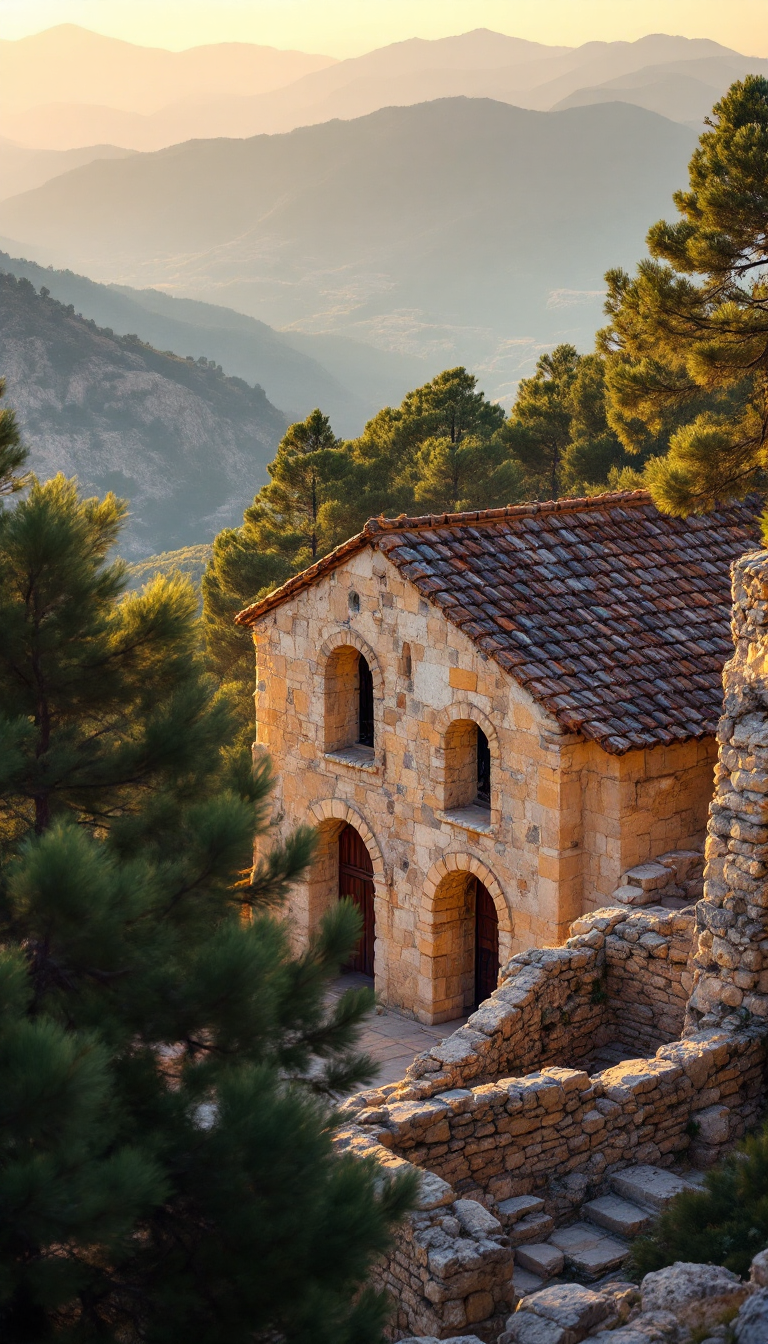
The Troodos range conceals Byzantine churches decorated with priceless frescoes. Ten painted churches hold UNESCO World Heritage status, yet many remain virtually unknown to international travelers. These structures represent the finest examples of post-Byzantine painting traditions spanning the 11th to 16th centuries.
Church of Panagia tou Araka
Located in Lagoudera village, this 12th-century church contains the most complete fresco cycle in Cyprus. The interior walls display vibrant biblical narratives with exceptional artistic detail. Unlike more famous churches, Panagia tou Araka maintains its remote mountain setting with minimal modern intrusion.
Contact the village priest in advance to arrange access. The church remains actively used for services, adding living continuity to its historical significance. The frescoes survived centuries due to the building’s isolation and protective local communities.
Church of Stavros tou Agiasmati
This steep-roofed church near Platanistasa features frescoes attributed to Philippos Goul, a master painter of the 15th century. The Crucifixion scene displays remarkable emotional intensity and technical sophistication. The surrounding forest setting enhances the contemplative atmosphere.
Forgotten Coastal Fortresses
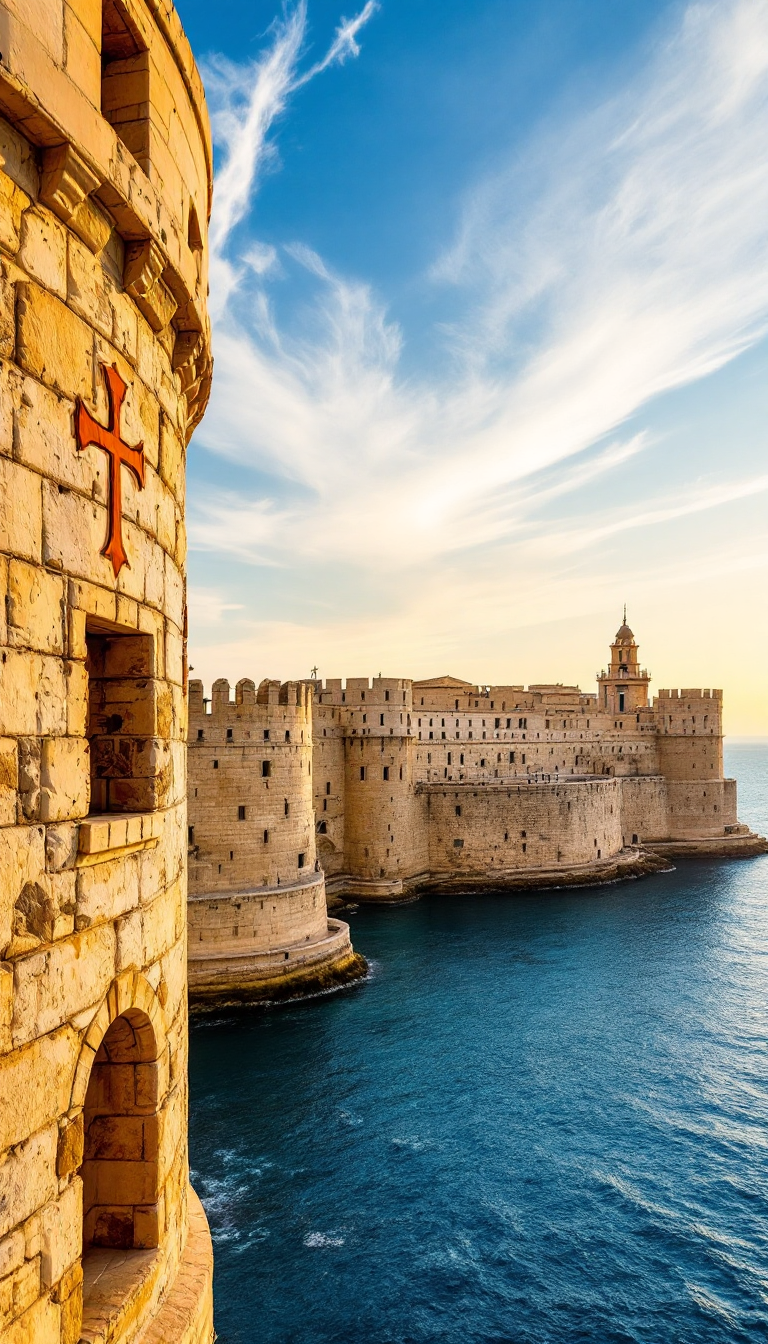
Cyprus hidden historical sites extend along the coastline where medieval fortifications protected against maritime invasions. These structures witnessed conflicts between Byzantines, Crusaders, Venetians, and Ottomans.
Kolossi Castle
This Crusader stronghold near Limassol served as the Knights Hospitaller headquarters during the 13th century. The three-story keep rises impressively above surrounding vineyards. Original frescos survive in upper chambers, depicting heraldic symbols and religious iconography.
The castle controlled sugar production facilities that generated enormous wealth for the military order. Ruins of medieval sugar mills and aqueducts surround the main structure. These industrial archaeological remains receive little attention despite their historical importance to Mediterranean commerce.
Kantara Castle
Perched atop the Kyrenia mountain range’s eastern edge, Kantara offers breathtaking views across northern Cyprus. This Byzantine fortress later served Lusignan kings as a strategic observation post. The defensive position demonstrates sophisticated military architecture adapted to mountainous terrain.
The castle remains remarkably intact despite centuries of abandonment. Visitors can explore towers, chambers, and walkways. The isolation means you often have the entire complex to yourself. The journey requires navigating mountain roads, but rewards effort with unparalleled historical atmosphere.
Roman and Early Christian Sites Beyond Paphos
While Paphos archaeological park draws massive crowds, nearby sites offer equally significant historical value without congestion. The Tombs of the Kings receives visitors, but few explore the extensive Christian basilicas scattered throughout the Paphos district.
Basilica of Panagia Limeniotissa
This 5th-century basilica near Paphos harbor showcases early Christian architectural development. The floor plan reveals a three-aisled structure with narthex and atrium. Though only foundations survive, informational panels help visualize the original grandeur.
The site demonstrates Cyprus’s rapid Christianization following Constantine’s conversion. Adjacent ruins include Byzantine-era workshops and residential quarters. These contextual structures provide insight into early Christian community organization.
Planning Your Cyprus Hidden Historical Sites Journey
Exploring these locations requires careful planning and reliable transportation. Many sites lack regular public transit access. Renting a vehicle provides essential flexibility for reaching remote locations.
For travelers seeking expertly curated historical experiences, consider bespoke Mediterranean tours that incorporate archaeological expertise and local access arrangements. Professional guides unlock deeper understanding through historical context and architectural analysis.
Essential Preparation Tips
Research opening hours in advance, as many sites maintain irregular schedules or require appointment. Spring and autumn offer ideal weather conditions for extensive site exploration. Summer heat can make midday visits challenging at exposed archaeological locations.
Carry detailed maps as GPS services prove unreliable in mountainous regions. Pack water, sun protection, and appropriate footwear. Many sites lack facilities or shade structures.
Respecting Archaeological Integrity
These Cyprus hidden historical sites survive through conscientious visitor behavior. Never touch frescoes or mosaics, as oils from skin cause irreversible damage. Stay on designated pathways to prevent erosion of fragile structures. Photograph without flash to protect light-sensitive pigments.
Support site preservation by paying entrance fees and respecting closure periods during restoration work. Local communities often serve as informal guardians of these treasures. Engage respectfully with residents who maintain traditions connected to these historical places.
The Archaeological Rewards of Cyprus Hidden Historical Sites
Cyprus offers history enthusiasts unparalleled opportunities to engage with authentic archaeological environments. These lesser-known sites provide intimate encounters with the island’s layered past, from prehistoric villages to medieval strongholds. The absence of crowds enables contemplative exploration and genuine connection with ancient spaces.
Each site reveals specific aspects of Mediterranean civilization’s development. Together, they construct a comprehensive narrative of cultural exchange, religious transformation, and architectural innovation spanning nine millennia. For dedicated history travelers, Cyprus delivers extraordinary depth often absent from more famous Mediterranean destinations.
The island’s compact geography allows visiting multiple periods and civilizations within short distances. A single day might encompass Neolithic settlements, Roman villas, Byzantine churches, and Crusader castles. This chronological diversity creates uniquely rich educational experiences.
Continuing Your Historical Exploration
Beyond these highlighted locations, Cyprus contains dozens of additional archaeological sites awaiting discovery. Regional museums in Nicosia, Limassol, and Larnaca house artifacts providing context for field visits. The Cyprus Museum in Nicosia presents comprehensive collections spanning the island’s entire archaeological record.
Engage with local archaeological societies and university programs conducting ongoing excavations. Many welcome informed visitors during public open days. These interactions provide cutting-edge insights into current research transforming understanding of Cypriot history.
Cyprus hidden historical sites reward curiosity and preparation with unforgettable encounters. These places preserve authentic historical atmospheres where past civilizations remain tangibly present. For history enthusiasts willing to venture beyond conventional tourist circuits, the island offers Mediterranean archaeology at its most compelling and accessible.