Cappadocia Photography Tours: Hidden Valleys
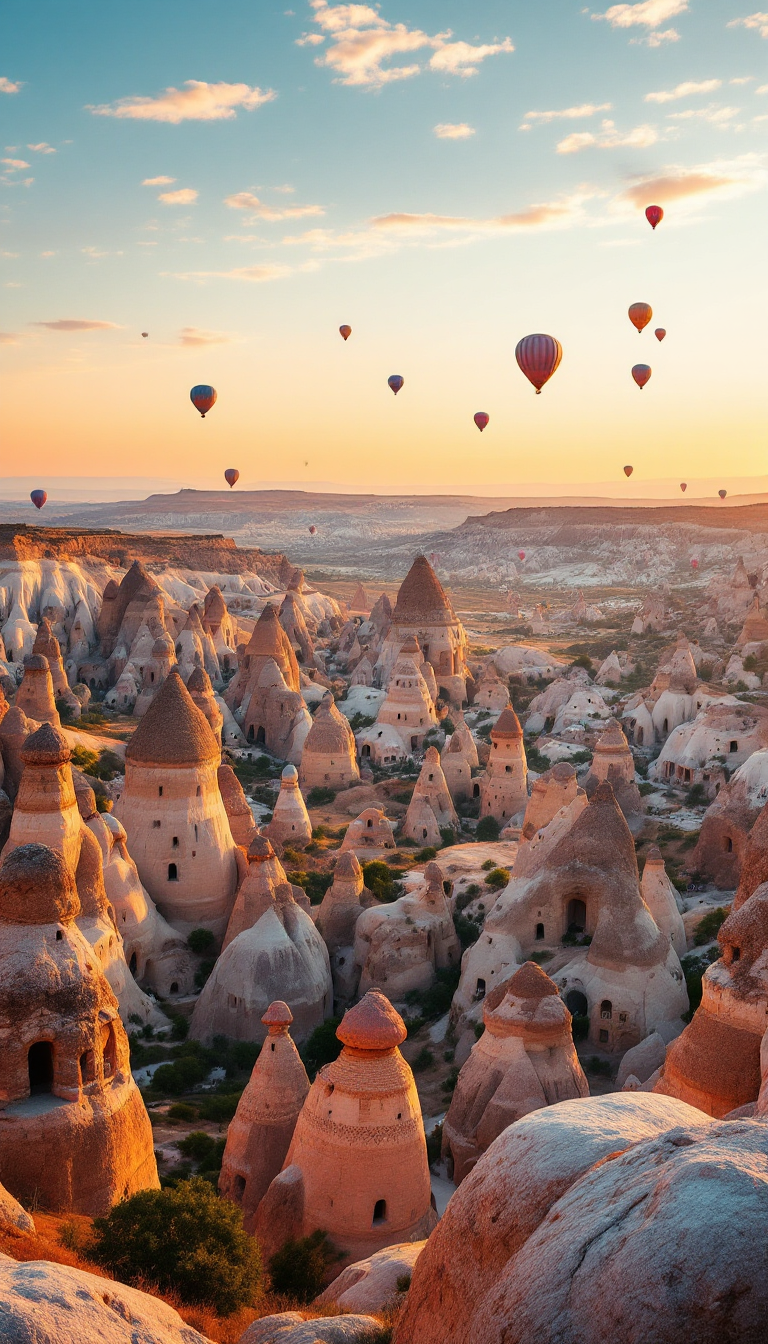
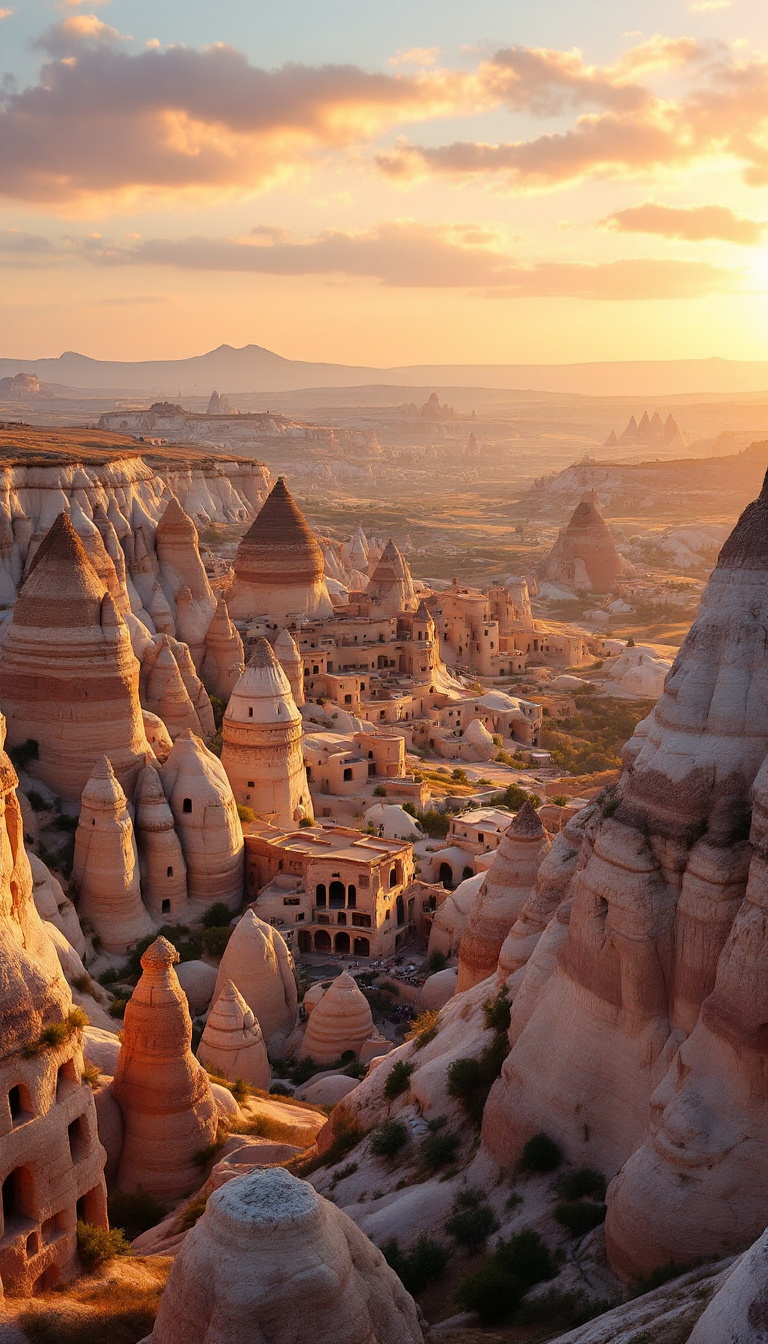
Cappadocia photography tours offer unparalleled access to one of Earth’s most surreal landscapes, where volcanic rock formations create a photographer’s paradise. The region’s fairy chimneys, carved valleys, and rose-hued stone formations provide endless creative opportunities for cultural explorers seeking unique visual narratives.
This UNESCO World Heritage site in central Turkey showcases geological wonders formed over millions of years. Volcanic eruptions blanketed the region with soft tuff stone, which wind and water sculpted into the remarkable formations visible today. These natural sculptures create dramatic backdrops that change character with every shift in light.
Planning Your Cappadocia Photography Tours
Successful photography expeditions in Cappadocia require careful timing and location selection. The region’s vast network of valleys offers distinct visual characteristics that appeal to different artistic sensibilities. Rose Valley glows crimson at sunset, while Love Valley’s towering formations create striking silhouettes against dawn skies.
Spring and autumn provide optimal conditions for photography tours. These seasons deliver mild temperatures and clear skies while avoiding summer crowds. Early morning light bathes the fairy chimneys in golden warmth, while late afternoon creates long shadows that emphasize the landscape’s textured surfaces.
According to UNESCO, the Göreme National Park and rock sites of Cappadocia contain exceptional evidence of Byzantine art from the post-Iconoclastic period. This cultural significance adds depth to your visual storytelling beyond mere landscape photography.
Essential Equipment for Photography Tours
Wide-angle lenses capture the expansive valley vistas effectively. A 16-35mm range allows you to frame entire fairy chimney clusters within single compositions. Telephoto lenses compress distant formations, creating layered effects that emphasize the landscape’s dimensional quality.
Tripods prove essential for low-light shooting during golden hours. The stable platform enables longer exposures that capture subtle color gradations in the volcanic rock. Neutral density filters help manage bright midday conditions when exploring cave dwellings and rock-cut churches.
Top Locations for Cappadocia Photography Tours
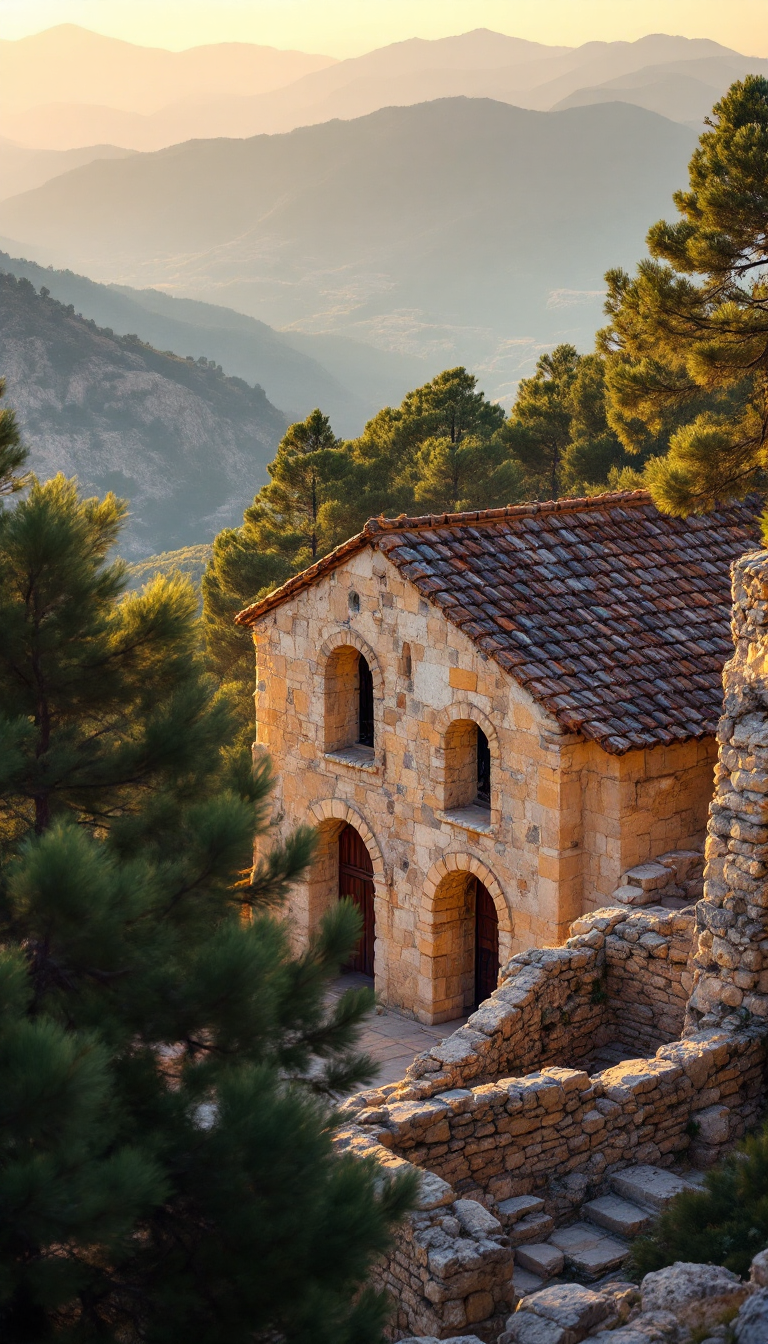
Göreme Open Air Museum houses rock-cut churches adorned with Byzantine frescoes. The monastic complex demonstrates how ancient communities carved entire settlements into soft volcanic stone. Photography here requires respectful consideration of sacred spaces while documenting architectural marvels.
Pigeon Valley connects Göreme to Uçhisar through a scenic corridor dotted with dovecotes carved into cliff faces. These geometric patterns create repeating visual motifs that add graphic interest to compositions. The valley floor offers varied perspectives as you traverse between villages.
Devrent Valley presents abstract formations that spark imagination. Locals call it Imagination Valley because the rocks resemble animals and fantastical creatures. This location encourages creative interpretation rather than documentary approach, perfect for artistic photography exploration.
Hidden Valleys Worth Discovering
Red and Rose Valleys form interconnected hiking routes through stunning rock formations. These valleys reveal layers of volcanic history in their striated cliff faces. The warm tones intensify during sunset, creating conditions that make colors appear almost surreal.
Pasabag Valley showcases some of Cappadocia’s most impressive fairy chimneys. Multi-headed formations rise dramatically from the valley floor. The mushroom-shaped rocks here feature distinct caps of harder basalt protecting softer tuff underneath, illustrating geological processes through visual form.
Cultural Context for Photography Tours in Cappadocia
Understanding the region’s cultural heritage enriches your photographic practice. Early Christians carved underground cities and monasteries to escape persecution. These subterranean networks extend multiple levels below ground, creating complex architectural spaces that challenge conventional photography techniques.
Traditional cave dwellings demonstrate sustainable architecture adapted to extreme temperature variations. The volcanic stone provides natural insulation, keeping interiors cool in summer and warm in winter. Modern boutique hotels now occupy many restored cave structures, blending historical preservation with contemporary comfort.
Local pottery traditions continue in Avanos, where artisans shape red clay from the Kızılırmak River. The craft workshops offer opportunities to document traditional techniques passed through generations. These cultural elements add human context to landscape-focused photography projects.
Seasonal Considerations for Photography
Winter transforms Cappadocia into a snow-draped wonderland. The white mantle softens the fairy chimneys’ harsh contours while creating striking contrasts. Fewer tourists mean unobstructed viewpoints, though cold temperatures challenge equipment and photographer alike.
Summer brings vibrant wildflowers to valley floors. Purple and yellow blooms add color accents to earthy rock tones. However, midday heat creates harsh lighting conditions that flatten the landscape’s dimensional qualities. Early morning and evening shoots become essential during summer months.
Enhancing Your Cappadocia Photography Tours Experience
Hot air balloons create Cappadocia’s iconic sunrise imagery. Dozens of balloons float above fairy chimneys each morning, weather permitting. Photographing from ground level captures this spectacle, while aerial perspectives from balloon baskets offer unique viewpoints over the volcanic landscape.
The experience connects perfectly with bespoke Mediterranean tours that emphasize cultural immersion and artistic exploration. Custom itineraries allow extended time in specific valleys based on photographic interests rather than rushed group schedules.
Night photography reveals different dimensions of the landscape. Long exposures capture star trails above fairy chimneys, connecting earthly formations with cosmic expanses. Light painting techniques illuminate cave entrances and rock formations, creating ethereal effects impossible during daylight hours.
Composition Techniques for Volcanic Landscapes
Leading lines guide viewers through complex formations. Valley paths, erosion channels, and rock striations create natural compositional elements. These lines direct attention toward focal points while establishing visual flow through the frame.
Foreground interest adds depth to wide landscape shots. Placing smaller fairy chimneys or textured rock details in the foreground creates layered compositions. This technique emphasizes scale while maintaining focus on background formations.
Silhouettes work effectively during golden hours. Positioning fairy chimneys against colorful skies creates dramatic contrasts. This approach simplifies complex scenes into graphic shapes that emphasize form over detail.
Practical Tips for Photography Tours
Comfortable walking shoes prove essential for valley exploration. Many photogenic locations require hiking across uneven terrain. Distances between viewpoints can exceed several kilometers, making proper footwear a practical necessity.
Water and sun protection maintain energy levels during extended shoots. The high-altitude plateau experiences intense sun exposure. Staying hydrated and protected allows you to focus on creative work rather than physical discomfort.
Local guides provide access to lesser-known locations. Their knowledge of seasonal conditions and optimal timing enhances photographic results. Guides also navigate the complex valley networks efficiently, maximizing shooting opportunities within limited timeframes.
Respecting the Landscape
Staying on marked trails preserves fragile formations. The soft tuff stone erodes easily under foot traffic. Designated paths protect both the environment and visitor safety while still providing access to spectacular viewpoints.
Some rock-cut churches restrict photography to protect ancient frescoes. Flash photography damages delicate pigments. Respecting these restrictions preserves cultural heritage for future generations while demonstrating ethical travel practices.
Post-Processing Volcanic Landscape Photography
Cappadocia’s unique color palette requires careful processing. The rose, cream, and ochre tones benefit from selective color adjustments. Enhancing warm tones without oversaturation maintains the landscape’s natural character while creating visually compelling images.
Shadow and highlight recovery reveals detail in high-contrast scenes. The bright sky and shadowed valleys often exceed camera dynamic range. HDR techniques or graduated filters during capture provide starting points for balanced exposures.
Sharpening emphasizes the volcanic rock’s texture. Cappadocia’s formations feature intricate surface details that benefit from selective sharpening. This technique enhances the tactile quality that makes the landscape so visually distinctive.
Creating Cohesive Photography Series
Thematic consistency strengthens portfolio impact. Focusing on specific aspects like erosion patterns, cave architecture, or color variations creates unified bodies of work. This approach demonstrates artistic vision beyond random landscape documentation.
Sequential narratives guide viewers through the landscape. Arranging images to suggest journey from overview to detail mirrors the actual exploration experience. This storytelling technique engages audiences more deeply than isolated individual photographs.
Seasonal comparison projects document change over time. Returning to photograph identical locations across different seasons reveals transformation. These comparative studies add temporal dimension to spatial documentation.
Beyond Photography: Cultural Immersion
Traditional Turkish cuisine provides sensory experiences beyond visual documentation. Local restaurants serve pottery kebab cooked in sealed clay vessels. The theatrical breaking of the pot adds performance elements to dining experiences worth capturing.
Carpet weaving workshops demonstrate intricate craftsmanship. Artisans create complex geometric patterns using techniques unchanged for centuries. Photographing these processes documents living cultural traditions that complement landscape imagery.
Turkish coffee fortune telling offers glimpses into local customs. The ritual of reading patterns in coffee grounds represents folk traditions maintained alongside modern tourism. These cultural details enrich travel narratives beyond scenic documentation.
Sustainable Tourism Practices
Supporting local businesses ensures tourism benefits communities. Staying in family-run cave hotels and dining at village restaurants distributes economic impact. This conscious approach to travel aligns with cultural exploration values.
Purchasing authentic handicrafts directly from artisans supports traditional crafts. Genuine pottery, carpets, and textiles represent skills passed through generations. These meaningful souvenirs carry stories beyond mass-produced alternatives.
Minimizing environmental impact preserves Cappadocia for future visitors. Carrying out waste, staying on trails, and respecting wildlife maintains the pristine quality that makes the region so photographically compelling. Responsible practices ensure the landscape remains unchanged for future photography tours.