Knights of St. John Malta: A Historian’s Guide
Knights of St. John Malta left an indelible mark on this Mediterranean island that continues to captivate history enthusiasts from around the world. From 1530 to 1798, the Order of St. John transformed Malta into a fortress of Christendom, creating architectural masterpieces and defensive structures that still stand today. This guide explores the most significant sites connected to the Knights and helps you understand their profound influence on Maltese culture, architecture, and identity.
Understanding the Knights of St. John Malta History
The Knights of St. John arrived in Malta in 1530 after being displaced from Rhodes by Ottoman forces. Emperor Charles V granted them the Maltese islands in exchange for an annual tribute of a single Maltese falcon. This military-religious order quickly established Malta as their new stronghold. They built fortifications, hospitals, and palaces that would define the island’s character for centuries to come.
The Order comprised knights from eight different langues or tongues, representing regions across Europe including France, Italy, Aragon, Castile, Germany, Provence, Auvergne, and England. Each langue contributed to the defense and administration of Malta. The knights followed strict vows of poverty, chastity, and obedience while dedicating themselves to caring for the sick and defending Christianity.
The Great Siege and Its Legacy
The defining moment for the Knights of St. John Malta came in 1565 during the Great Siege. Ottoman forces arrived with approximately 40,000 troops, determined to capture Malta and use it as a base for further European conquest. Grand Master Jean Parisot de Valette led a force of just 6,000 knights and soldiers in a desperate four-month defense. Against overwhelming odds, they repelled the invaders in one of history’s most remarkable military victories.
This triumph secured Malta’s place in European history and led to the construction of Valletta, the fortified city named after the heroic Grand Master. The victory demonstrated the strategic importance of Malta and ensured continued support from European powers. Today, visitors can explore the fortifications that withstood this legendary siege.
Essential Knights of St. John Malta Sites in Valletta
Valletta serves as the epicenter of the Knights’ architectural legacy. The city itself represents Renaissance military engineering at its finest. The grid-pattern streets and bastioned fortifications create an urban landscape unlike any other in the Mediterranean.
St. John’s Co-Cathedral
This baroque masterpiece stands as the conventual church of the Order. While its austere limestone exterior might seem modest, the interior explodes with gilded decoration, marble tombstones, and Caravaggio’s masterpiece ‘The Beheading of Saint John the Baptist.’ Each langue maintained its own chapel within the cathedral, decorated according to their patron saints and regional artistic traditions.
The floor comprises over 400 marble tombstones marking the graves of knights who served the Order. Walking across these memorials connects visitors directly with the individuals who shaped Malta’s history. The oratory houses two Caravaggio paintings, making it essential viewing for art historians and enthusiasts alike.
The Grandmaster’s Palace
This imposing structure served as the administrative heart of the Order and residence of the Grand Master. Today it houses the Office of the President of Malta, but sections remain open to visitors. The State Rooms showcase period furniture, portraits of Grand Masters, and elaborate frescoes depicting key moments in the Order’s history.
The Palace Armoury contains one of the world’s finest collections of arms and armor from the 16th and 17th centuries. Knights wore these suits of armor during battles and ceremonial occasions. The collection provides tangible evidence of the military prowess that defined the Order.
Knights of St. John Malta Fortifications Beyond Valletta
The Knights built an extensive network of fortifications across Malta’s harbors and coastlines. These defensive structures represent some of the most sophisticated military architecture of their era.
The Three Cities
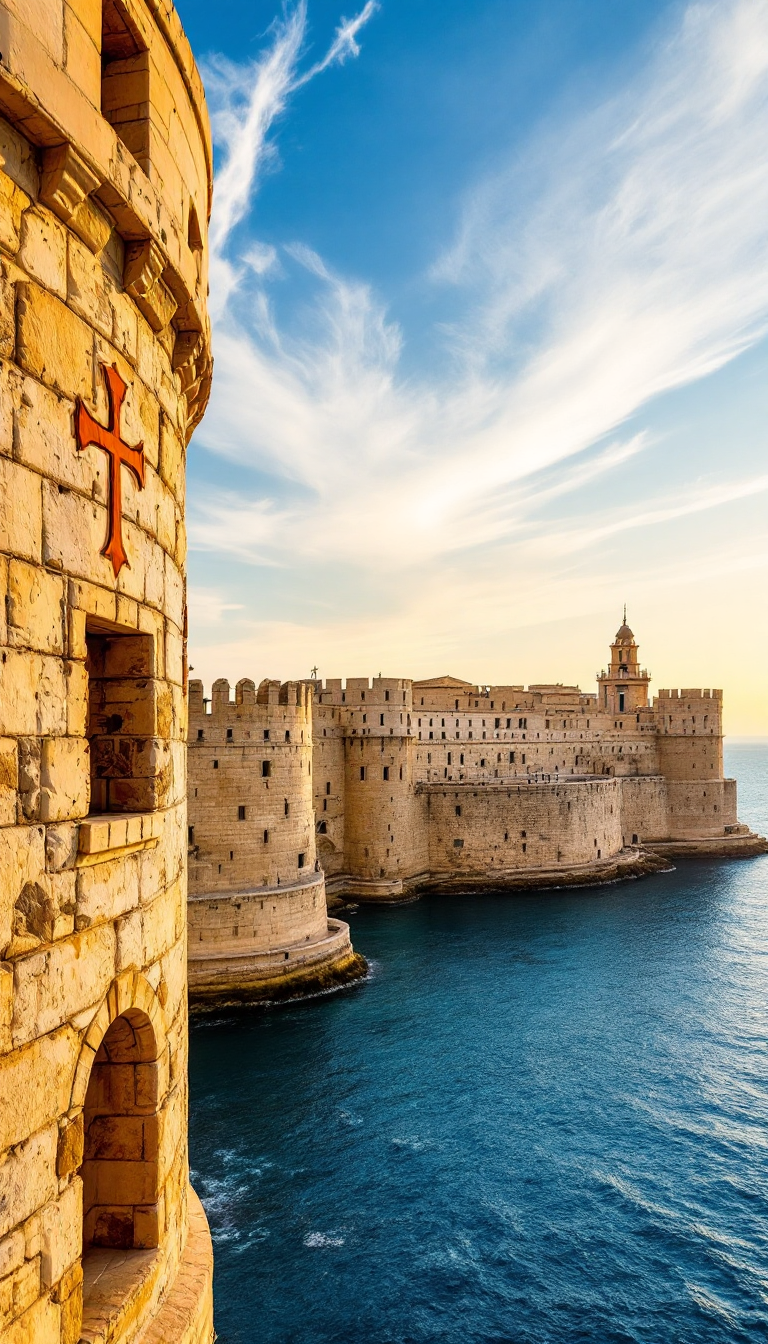
Vittoriosa, Senglea, and Cospicua formed the Knights’ original base before Valletta’s construction. Fort St. Angelo in Vittoriosa served as the Grand Master’s residence and the Order’s headquarters during the Great Siege. The fort’s strategic position overlooking the Grand Harbour made it crucial to Malta’s defense.
Walking through these historic cities transports visitors to the 16th century. Narrow streets, auberges, and churches create an authentic atmosphere less tourist-focused than Valletta. The Inquisitor’s Palace in Vittoriosa offers insight into the relationship between the Knights and the Catholic Church’s Inquisition.
Mdina’s Norman Heritage
While the Knights made Valletta their capital, they maintained and enhanced Mdina, Malta’s former capital. They reinforced its medieval walls and added baroque architectural elements. The city’s elevated position provided early warning of approaching threats from the sea. Today, Mdina’s timeless streets offer respite from coastal crowds while showcasing the Knights’ influence on existing medieval structures.
Planning Your Knights of St. John Malta Heritage Tour
Experiencing the full scope of the Knights’ legacy requires thoughtful planning. Most sites concentrate around Valletta and the Grand Harbour area, making them accessible within a few days. However, dedicating adequate time to each location enhances understanding and appreciation.
According to the Sovereign Military Order of Malta, the Order continues its humanitarian mission today, providing context for their historical role in Malta. Understanding this continuity enriches your visit to their historical sites.
Optimal Visiting Strategy
Begin your exploration in Valletta with St. John’s Co-Cathedral and the Grandmaster’s Palace. These two sites establish foundational knowledge about the Order’s structure, wealth, and cultural sophistication. Allocate at least half a day for each location to fully appreciate their contents.
Next, explore the Three Cities, either by traditional dgħajsa water taxi across the Grand Harbour or by bus. Fort St. Angelo requires separate admission but provides essential context for the Great Siege. The Maritime Museum in Vittoriosa supplements your understanding of naval warfare during the Knights’ era.
Consider booking bespoke Mediterranean tours that provide expert guides specializing in the Knights’ history. Local historians bring sites to life with detailed accounts of battles, personalities, and daily life during the Order’s rule.
Best Times to Visit
Spring and autumn offer ideal conditions for exploring Malta’s outdoor fortifications. Summer temperatures can exceed 35°C, making extensive walking challenging. Winter provides comfortable temperatures, though occasional rain may affect plans.
The annual In Guardia parade at Fort St. Elmo recreates military drills performed by the Knights. This living history event occurs on select Sundays and provides entertaining insight into 16th-century military life. Check schedules in advance as dates vary seasonally.
Lesser-Known Knights of St. John Malta Heritage Sites
Beyond the major attractions, Malta conceals numerous sites connected to the Knights that receive fewer visitors but offer rewarding experiences for dedicated history enthusiasts.
Coastal Watchtowers
The Knights constructed a network of coastal watchtowers to provide early warning of approaching threats. These towers communicated via fire signals, creating an effective surveillance system around the islands. Several towers remain accessible, offering spectacular coastal views and intimate connection with defensive strategies.
Wignacourt Tower in St. Paul’s Bay represents the earliest surviving example. Its strategic position overlooking the bay where St. Paul reportedly shipwrecked demonstrates how the Knights blended military necessity with historical commemoration.
The Sacred Infirmary Site
The Knights operated one of Europe’s most advanced hospitals in Valletta. Though the original building now serves other purposes, understanding its location and function reveals the Order’s commitment to hospitality and medical care. They treated all patients regardless of religion or background, embodying their founding mission as Hospitallers.
Medical innovations developed here influenced European healthcare practices. The ward could accommodate over 500 patients, with each receiving individual beds—a luxury uncommon in 16th-century hospitals. Silver dining utensils prevented infection, demonstrating the Knights’ sophisticated medical knowledge.
Cultural Impact of the Knights of St. John Malta
The Knights’ influence extended far beyond military and architectural achievements. They fundamentally shaped Maltese culture, language, cuisine, and social structures in ways that persist today.
Linguistic Heritage
The Maltese language absorbed numerous Italian and French words during the Knights’ rule. Many architectural and military terms in Maltese derive directly from these European influences. Place names throughout Malta reference Grand Masters, battles, and fortifications, creating a living linguistic monument to this era.
Artistic Patronage
The Knights attracted leading European artists to Malta. Caravaggio’s arrival in 1607, though brief and tumultuous, resulted in masterpieces that remain the island’s greatest artistic treasures. Mattia Preti decorated St. John’s Co-Cathedral vault with frescoes depicting the life of St. John the Baptist, establishing baroque aesthetics that influenced Maltese church decoration for generations.
This artistic patronage elevated Malta from a strategic outpost to a cultural center. Libraries, music schools, and theatrical performances flourished under the Knights’ sponsorship. The legacy continues through Malta’s vibrant contemporary arts scene and numerous museums.
Practical Tips for Knights of St. John Malta Exploration
Maximizing your historical journey requires practical preparation. Malta’s compact size makes comprehensive exploration feasible, but attention to logistics enhances the experience.
Transportation and Access
Malta’s public bus system connects all major Knights-related sites efficiently. Purchase a weekly Tallinja card for unlimited travel at economical rates. Buses run frequently between Valletta and the Three Cities during daytime hours.
Many heritage sites close on public holidays and reduce hours during winter months. Verify opening times before planning your itinerary. St. John’s Co-Cathedral prohibits entry during Sunday morning services, though attending Mass provides unique spiritual perspective on the site’s ongoing religious function.
Guided Tours versus Independent Exploration
While independent exploration offers flexibility, guided tours provide historical context impossible to glean from plaques alone. Expert guides illuminate connections between sites, explain architectural symbolism, and share archival research unavailable to casual visitors. Audio guides offer middle-ground solutions at major attractions.
Photography restrictions apply in certain locations, particularly St. John’s Co-Cathedral. Respect these rules, as they protect delicate artwork from light damage. Many sites permit photography without flash, allowing documentation while preserving artifacts.
The Knights’ Enduring Influence on Modern Malta
Understanding the Knights of St. John Malta heritage requires recognizing how their 268-year rule continues shaping the islands today. Their architectural legacy attracts visitors who sustain Malta’s tourism economy. The fortifications earned Valletta UNESCO World Heritage status, ensuring international recognition and protection.
Maltese identity intertwines with the Knights’ history. National holidays commemorate victories like the Great Siege. Educational curricula emphasize this era, ensuring young Maltese understand their heritage. The eight-pointed Maltese cross, symbol of the Order, appears throughout national iconography.
Contemporary Malta balances preservation with modernization. Restoration projects maintain fortifications while adapting historic buildings for modern use. This thoughtful approach allows visitors to experience authentic heritage while supporting sustainable tourism development.
The Knights of St. John transformed Malta from a sparsely populated island into a European cultural and military center. Their legacy provides endless fascination for history enthusiasts willing to explore beyond surface-level tourism. From grand palaces to humble watchtowers, every stone tells stories of courage, faith, and ambition that shaped Mediterranean history. Your journey through these sites connects you directly with individuals who lived extraordinary lives during a pivotal era, making Malta an essential destination for anyone passionate about European history.