Havana Salsa Streets: Family Dance Adventure
Havana salsa streets pulse with an energy that captures the heart of Cuban culture. These colorful boulevards transform into open-air dance halls where families gather, musicians play, and the rhythm of life flows through every cobblestone. For families seeking authentic cultural experiences, Havana’s street salsa scenes offer unforgettable moments that children and parents alike will treasure for years to come.
The streets of Old Havana come alive each evening as the sun sets over the Malecón. Local bands set up on corners, couples spin under streetlights, and children watch wide-eyed as their parents attempt the complex footwork. This spontaneous celebration of life through dance provides families with an immersive introduction to Cuban traditions that no museum or guided tour could replicate.
Why Havana Salsa Streets Captivate Family Travelers
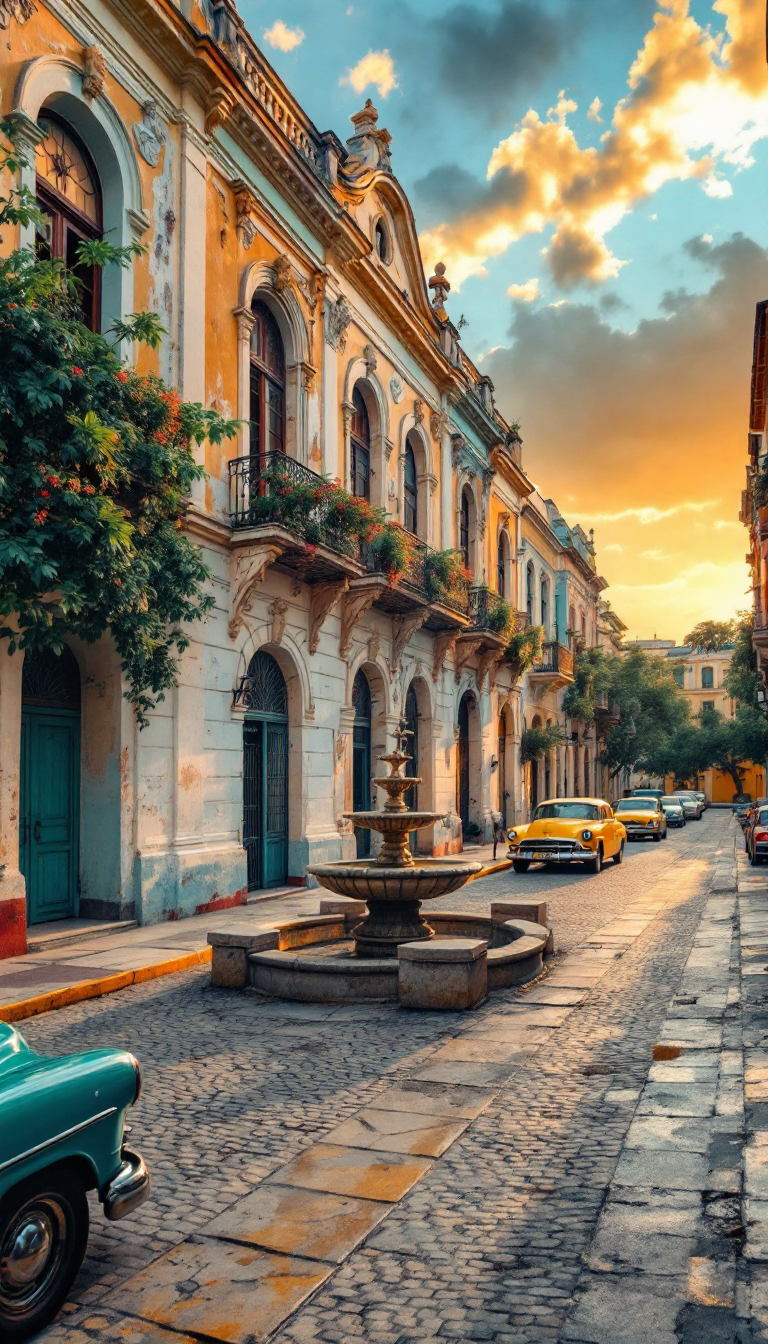
Cuban street salsa represents more than entertainment. It embodies the resilient spirit of a nation that finds joy despite economic challenges. Families walking through neighborhoods like Centro Habana or Vedado witness this cultural phenomenon firsthand. The music spills from weathered colonial buildings painted in faded pastels, creating a sensory experience that engages all ages.
Children are naturally drawn to the rhythm and movement. Unlike formal dance performances, street salsa welcomes participation. Local dancers often invite tourists to join, creating cross-cultural connections that transcend language barriers. Parents appreciate these organic interactions that teach their children about cultural respect and openness.
The architectural backdrop enhances the experience significantly. Havana’s UNESCO World Heritage sites provide stunning settings for these impromptu performances. Crumbling baroque facades, wrought-iron balconies, and grand archways frame each dance scene like a living painting. The juxtaposition of elegant decay and vibrant life creates powerful visual memories.
Best Neighborhoods for Family-Friendly Salsa Experiences
Old Havana remains the most accessible area for families new to Cuba. Plaza de Armas and Plaza Vieja frequently host afternoon and evening performances suitable for all ages. The plazas offer safe, open spaces where children can dance freely while parents relax at nearby cafés. Street performers range from professional dance troupes to enthusiastic amateurs, all contributing to the festive atmosphere.
Vedado presents a more local experience away from tourist concentrations. The Malecón seawall becomes a social hub on weekend evenings when families gather to socialize and dance. The ocean breeze provides natural air conditioning during warm nights. This five-mile promenade offers spectacular sunset views alongside cultural immersion.
Centro Habana provides the most authentic street salsa encounters. This residential neighborhood sees fewer tourists but abundant local talent. Families comfortable venturing off beaten paths discover genuine community celebrations where salsa serves as social glue binding neighbors together. The raw authenticity here surpasses more curated tourist experiences.
Planning Your Havana Salsa Streets Family Adventure
Timing significantly impacts your family’s salsa street experience. The dry season from November through April offers the most comfortable weather conditions. Temperatures remain warm but manageable, with minimal rainfall disrupting outdoor activities. Evening temperatures drop pleasantly, creating ideal conditions for extended street exploration.
Weekend evenings generate the most activity across all neighborhoods. Friday and Saturday nights see increased participation as locals finish their work weeks. However, Tuesday through Thursday evenings offer equally authentic experiences with fewer crowds. Families with young children might prefer these quieter nights when navigating streets becomes easier.
Accommodation location matters considerably. Staying in Old Havana or Vedado positions families within walking distance of prime salsa street scenes. Many casas particulares (private home rentals) host families in colonial buildings where the music literally surrounds you. Hosts often provide insider knowledge about upcoming neighborhood celebrations and impromptu performances.
Essential Tips for Families Exploring Salsa Culture
Comfortable footwear ranks as the top priority for street salsa exploration. Families walk extensively across uneven cobblestones and cracked sidewalks. Children need sturdy shoes that allow both walking and spontaneous dancing. Parents should pack blister prevention supplies for longer evening adventures.
Cash remains essential in Havana’s predominantly cash-based economy. Street musicians and vendors rarely accept cards. Carrying small denomination bills allows families to tip performers and purchase refreshments. The Cuban peso (CUP) provides better value than convertible pesos for street-level transactions.
Language preparation enhances family experiences significantly. Learning basic Spanish phrases shows respect and facilitates interactions with local dancers. Children enjoy practicing simple greetings and dance-related vocabulary. Many Cuban dancers speak limited English, making translation apps valuable tools for meaningful exchanges.
Safety considerations for families remain manageable with common-sense precautions. Havana ranks among Latin America’s safest capitals for tourists. Keep valuables secured and maintain awareness in crowded areas. Traveling in groups provides additional security, and locals generally welcome families warmly. The communal nature of street salsa creates naturally safe environments where community members look out for one another.
Connecting Havana Salsa Streets to Broader Travel Experiences
Families passionate about cultural immersion through music and dance might explore bespoke Mediterranean tours that incorporate similar authentic local experiences. The cultural richness found in Havana’s streets echoes throughout Mediterranean destinations where community gatherings and traditional performances remain central to daily life.
According to UNESCO, Old Havana’s historic center represents an outstanding example of Spanish colonial architecture in the Americas. This designation underscores the significance of preserving these spaces where intangible cultural heritage like salsa dancing thrives alongside physical monuments. Families visiting contribute to cultural preservation through respectful engagement and economic support.
Educational Benefits for Children
Experiencing Havana salsa streets provides children with multifaceted learning opportunities. Music education comes alive when children witness live percussion, brass instruments, and vocal performances. They observe how different instruments create layered rhythms that drive the dance. Many street musicians welcome questions from curious children, explaining their instruments and musical traditions.
Physical education extends beyond typical playground activities. Salsa dancing develops coordination, rhythm, and body awareness. Children who attempt basic steps gain confidence through non-competitive physical expression. The inclusive nature of street dancing removes performance pressure while encouraging participation.
Cultural geography lessons materialize through direct experience. Children learn how island geography, colonial history, and African heritage combined to create unique Cuban musical forms. These concepts become tangible rather than abstract when experienced through sensory engagement with real places and people.
Social studies curriculum comes to life through observation of community dynamics. Children witness how shared cultural practices unite diverse groups. They see multi-generational participation where grandparents dance alongside grandchildren, illustrating cultural transmission across age groups. These observations spark meaningful family conversations about tradition, community, and cultural identity.
Practical Considerations for Havana Salsa Streets Exploration
Transportation within Havana requires planning but remains manageable for families. Classic American cars function as collective taxis offering affordable transportation between neighborhoods. Children delight in riding these vintage vehicles, adding another layer to the adventure. Walking remains the most rewarding option for short distances, allowing families to discover hidden musical moments along the way.
Meal planning around street salsa exploration enhances the overall experience. Many neighborhoods offer informal food vendors selling traditional Cuban snacks. Children enjoy trying local treats like churros or fruit cups while watching performances. Established restaurants near popular plazas provide sit-down options when families need more substantial meals.
Photography etiquette deserves consideration when documenting street performances. Always ask permission before photographing individual dancers or musicians. Many appreciate small tips in exchange for posed photos. Teaching children to respect performers’ dignity and artistic work instills important values about cultural appreciation versus exploitation.
Weather Preparedness and Health Considerations
Cuban sun intensity surprises many visitors unfamiliar with Caribbean climates. Families need robust sun protection including high-SPF sunscreen, hats, and lightweight long-sleeved clothing. Evening explorations still require sun protection during the golden hour before sunset. Dehydration poses risks during extended street walking, making water bottles essential accessories.
Travel insurance covering Cuba remains important for family trips. Medical facilities in Havana provide adequate care for minor issues, but serious conditions may require evacuation. Insurance should cover both medical treatment and potential travel disruptions. Families should pack basic first-aid supplies including blister care, pain relievers, and any prescription medications.
Making Meaningful Connections on Havana Salsa Streets
The true magic of Havana salsa streets emerges through human connections rather than mere observation. Families who embrace participation rather than passive tourism create lasting memories. When children dance alongside Cuban kids, barriers dissolve and genuine friendships form, even if temporary. Parents modeling cultural openness teach powerful lessons about global citizenship.
Learning basic salsa steps before your trip enhances confidence and enjoyment. Many cities offer Cuban salsa classes that families can attend together. Children pick up basic movements quickly, and arriving with foundational knowledge shows respect for the dance form. Local dancers appreciate when visitors make genuine efforts to engage with their art.
Supporting local artists directly impacts community welfare. Purchasing CDs from street musicians, tipping performers generously, and commissioning private lessons all contribute economically to artists who preserve traditional culture. These small financial exchanges mean significantly more in Cuba’s economy than in wealthier nations.
Documenting your family’s salsa journey creates valuable keepsakes. Beyond photos, encourage children to keep travel journals describing the music, movements, and emotions they experienced. These written records become treasured family artifacts that capture not just what you saw, but how the experience made you feel.
Extending Your Cultural Immersion
Families deeply engaged by street salsa culture should explore formal performances at venues like the Tropicana or Fabrica de Arte Cubano. These establishments present professional productions that contextualize the street performances you’ve witnessed. The contrast between polished stage shows and spontaneous street dancing illustrates the full spectrum of Cuban dance culture.
Dance workshops designed for tourists offer structured learning opportunities. Several Havana studios provide family-friendly classes taught by professional instructors. These sessions allow families to develop skills together while supporting established cultural institutions. Children often retain dance steps long after returning home, maintaining a physical connection to their Cuban experience.
Music museums and cultural centers complement street experiences with historical context. The Museo de la Música displays instruments and explains how different musical styles evolved. These educational stops provide air-conditioned respites during hot afternoons while deepening understanding of the artistry witnessed on the streets.
Havana salsa streets offer families an unparalleled opportunity to experience living culture in its most authentic form. The combination of architectural beauty, musical excellence, and community warmth creates transformative travel experiences. Children return home with expanded worldviews, parents gain renewed appreciation for cultural diversity, and the entire family shares memories of dancing under Cuban stars. This destination deserves consideration by any family seeking travel that educates, inspires, and connects across cultures.