Malta Hidden Gems Beyond Valletta’s Tourist Trail
Malta hidden gems await travelers who venture beyond Valletta’s fortified walls. While the capital city captivates visitors with its baroque grandeur, the Maltese archipelago conceals treasures that most guidebooks overlook. These lesser-known sites offer authentic encounters with Malta’s layered history, from prehistoric temples to medieval fishing villages untouched by mass tourism.
For cultural explorers seeking depth over superficiality, Malta’s overlooked corners reveal the island’s true character. The compact size of this Mediterranean nation means you can access these hidden locations within short distances, yet their isolation preserves an atmosphere that feels worlds away from cruise ship crowds.
Ancient Malta Hidden Gems: Prehistoric Sites Beyond the Guidebooks
The Ħaġar Qim and Mnajdra temples receive their share of attention, but Malta’s prehistoric landscape extends far beyond these UNESCO sites. The Xagħra Stone Circle on Gozo, also known as the Ġgantija Complex’s lesser-known neighbor, predates Stonehenge by over a thousand years. This underground burial complex features intricate carvings and chambers that archaeologists continue to study.
The Borġ in-Nadur Temple in Birżebbuġa sits on a dramatic clifftop overlooking the Mediterranean. Unlike the more famous temple sites, you’ll often find yourself alone among these megalithic stones. The temple’s Bronze Age fortifications tell stories of ancient communities that feared invasion from the sea.
Exploring Malta’s Hidden Prehistoric Temples
Ta’ Ħaġrat Temples in Mġarr remain criminally undervisited despite their exceptional preservation. Dating to approximately 3600 BCE, these structures showcase the architectural sophistication of Malta’s temple builders. The site’s intimate scale allows visitors to appreciate construction details that larger sites obscure.
The Skorba Temples nearby offer archaeological context spanning multiple prehistoric phases. Excavations here revealed evidence of Malta’s earliest agricultural communities. Walking these grounds, you traverse seven millennia of human habitation compressed into a single location.
Coastal Malta Hidden Gems: Secret Beaches and Fishing Villages
Malta’s coastline extends beyond Golden Bay and Mellieħa’s sandy stretches. The Għar Lapsi inlet on the island’s southern coast attracts local families but remains unknown to most tourists. This rocky swimming cove features crystal-clear waters and a single seaside restaurant serving fresh fish caught that morning.
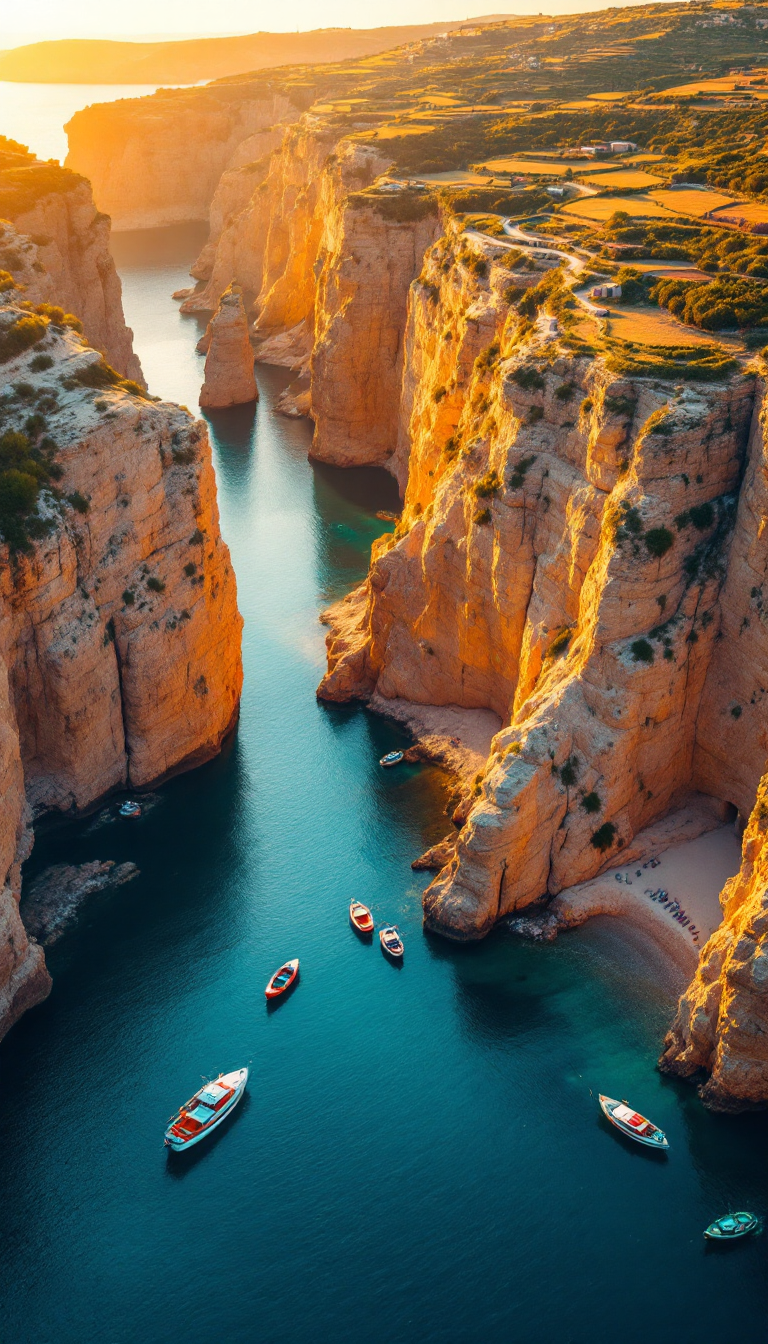
Mġarr ix-Xini on Gozo presents a fjord-like inlet carved between towering cliffs. The narrow valley road descends dramatically to a pebble beach where Gozitan fishermen still moor their traditional luzzus. The absence of facilities preserves the location’s untouched character, making it perfect for travelers seeking solitude.
Discovering Malta’s Hidden Coastal Paths
The Victoria Lines, a 19th-century defensive wall stretching across Malta’s width, offers one of the island’s finest walking experiences. This elevated fortification line provides panoramic views across terraced farmland toward the sea. Spring wildflowers transform the limestone landscape into unexpected color.
The Dingli Cliffs extend beyond the popular viewing platform at Dingli village. Follow the clifftop path southward toward the abandoned radar station at Mtaħleb for increasingly dramatic coastal scenery. The path passes through garrigue scrubland where wild thyme and capers grow between limestone outcrops.
Architectural Malta Hidden Gems: Villages Time Forgot
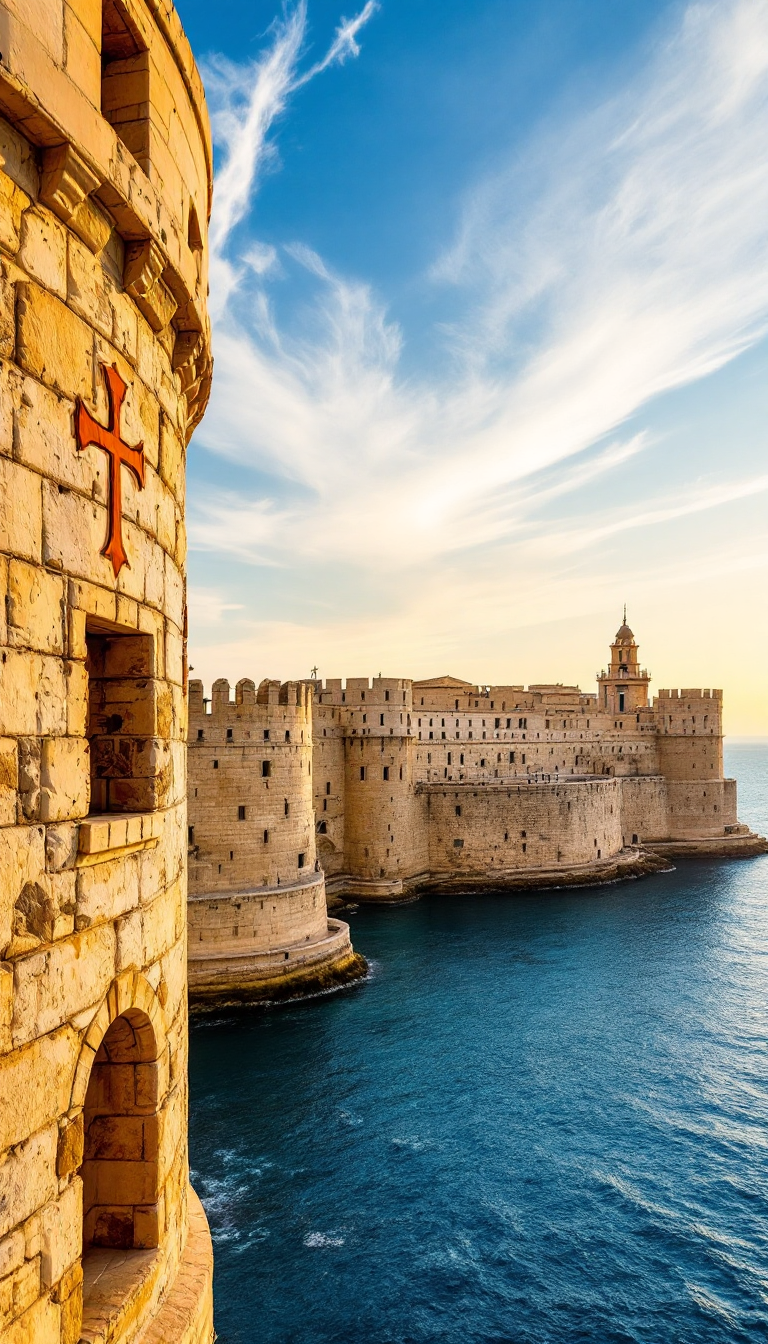
Mdina captures tourist attention, but Malta’s Three Cities—Vittoriosa, Senglea, and Cospicua—offer equally impressive historic architecture without the crowds. Vittoriosa’s narrow streets hide baroque palaces, the Inquisitor’s Palace with its underground prison cells, and waterfront bastions where you can watch traditional dgħajsa boats glide across Grand Harbour.
The fortified city of Cittadella in Gozo’s capital Victoria underwent recent restoration that transformed it into a living museum. Evening visits after tour groups depart reveal the citadel’s atmospheric alleyways bathed in golden light. The cathedral square and defensive ramparts provide sweeping views across Gozo’s agricultural heartland.
Hidden Village Treasures in Rural Malta
Għarb on Gozo’s western edge represents authentic village life largely unchanged by tourism. The village’s baroque church dominates a square where locals gather at cafés unchanged for generations. Surrounding countryside features traditional farmhouses with distinctive colored doors and agricultural techniques practiced for centuries.
Naxxar’s Palazzo Parisio offers baroque splendor rivaling Valletta’s palaces but receives a fraction of the visitors. The palace’s meticulously maintained gardens provide a cool retreat during summer months. Ornate frescoed ceilings and period furnishings transport visitors to Malta’s aristocratic past.
Those seeking bespoke Mediterranean tours that prioritize these authentic experiences over tourist-trap itineraries discover Malta’s genuine cultural richness. These carefully crafted journeys connect travelers with local artisans, family-run restaurants, and heritage sites that mass tourism bypasses.
Cultural Malta Hidden Gems: Living Traditions and Artisan Crafts
The Ta’ Dbiegi Crafts Village in Għarb preserves traditional Maltese crafts including lace-making, weaving, and pottery. Artisans work in converted farm buildings, demonstrating techniques passed through generations. Visitors can observe craftspeople creating intricate filigree silver jewelry using methods dating to the Knights of Malta period.
The Maritime Museum in Vittoriosa occupies the former Royal Navy Bakery, a massive stone building overlooking Dockyard Creek. Its collection documents Malta’s maritime heritage from Phoenician traders through modern shipping. The museum’s location in the Three Cities adds historical context often missing from Valletta’s more polished institutions.
Festival Traditions in Malta’s Hidden Villages
Village festas celebrating patron saints occur throughout summer across Malta’s towns. While popular festas attract thousands, smaller village celebrations in places like Żurrieq or Qrendi maintain authentic traditions. Elaborate church decorations, brass band processions, and fireworks displays unite entire communities in celebrations largely unchanged since the 19th century.
The fishing village of Marsaxlokk transforms into a vibrant market every Sunday morning. Beyond the tourist-focused waterfront stalls, venture into side streets where locals purchase vegetables, cheese, and household goods. The market provides insight into Maltese daily life rarely visible in resort areas.
Natural Malta Hidden Gems: Ecological Treasures and Wildlife
The Majjistral Nature and History Park along Malta’s northwestern coast protects rare Mediterranean ecosystems. Coastal garrigue habitat supports endemic plant species found nowhere else on Earth. Spring brings migrations of honey buzzards and other raptors visible from clifftop observation points.
Ghadira Nature Reserve near Mellieħa Bay attracts birdwatchers seeking migrating species that use Malta as a Mediterranean stopover. According to BirdLife Malta, over 400 bird species have been recorded on the islands despite their small size. Autumn migrations prove particularly spectacular when thousands of birds rest before crossing to Africa.
Hidden Natural Wonders Across the Maltese Islands
The Blue Grotto sea caves on Malta’s southern coast are well-known, but the Inland Sea at Dwejra on Gozo offers equally dramatic coastal geology. This saltwater lagoon connects to the open Mediterranean through a natural tunnel carved by wave action. Local fishermen offer boat trips through the tunnel into the dramatic Azure Window remnants.
Wied il-Għasri on Gozo presents a dramatic gorge cutting through limestone cliffs to reach the sea. The narrow valley’s steep sides create microclimates supporting unique vegetation. The small pebble beach at the gorge’s mouth provides excellent snorkeling in protected waters teeming with marine life.
Practical Guidance for Discovering Malta’s Hidden Gems
Malta’s compact size makes exploring hidden gems logistically simple. Public buses reach most villages, though rental cars provide greater flexibility for remote coastal areas. Spring months from March through May offer ideal weather conditions with wildflowers and comfortable temperatures for walking.
Shoulder season visits in October and November avoid summer’s heat while maintaining warm swimming conditions. Many hidden sites lack facilities, so carry water and sun protection. Modest clothing respects local sensibilities, particularly when visiting villages during religious festivals or entering churches.
Connecting with Local Culture Beyond Tourist Areas
Learning basic Maltese phrases demonstrates respect for local culture. While English is widely spoken, attempts to use Maltese endear travelers to villagers unaccustomed to tourist interaction. Traditional village bars called “clubs” welcome respectful visitors seeking authentic atmosphere over polished tourist venues.
Local guides with deep community connections unlock experiences impossible for independent travelers. Family-run restaurants in villages like Mosta or Siġġiewi serve traditional dishes like fenkata (rabbit stew) and timpana (baked pasta) rarely found in tourist areas. These establishments often occupy centuries-old buildings with stories spanning generations.
Malta’s hidden gems reward travelers who prioritize depth over breadth. Beyond Valletta’s magnificent architecture and museums lies an archipelago of quiet villages, ancient temples, and coastal paths where authentic Maltese culture thrives. These places demand patience and curiosity, but they reveal the Mediterranean’s true character far removed from cruise port crowds and package tour itineraries.
For cultural explorers willing to venture beyond guidebook highlights, Malta’s lesser-known treasures provide encounters with living history and landscapes shaped by millennia of human presence. The islands’ hidden corners preserve traditions, architecture, and natural beauty that mass tourism threatens elsewhere in the Mediterranean. Discovering these places means traveling not just to Malta, but into its soul.