Cappadocia Landscape Photography: A Cultural Guide
Cappadocia landscape photography captures one of Earth’s most extraordinary geological wonders. This central Anatolian region presents photographers and cultural explorers with an otherworldly canvas shaped by millions of years of volcanic activity and erosion. The fairy chimneys, cave churches, and undulating valleys create a sensory experience that transcends ordinary travel photography.
Understanding Cappadocia Landscape Photography Locations
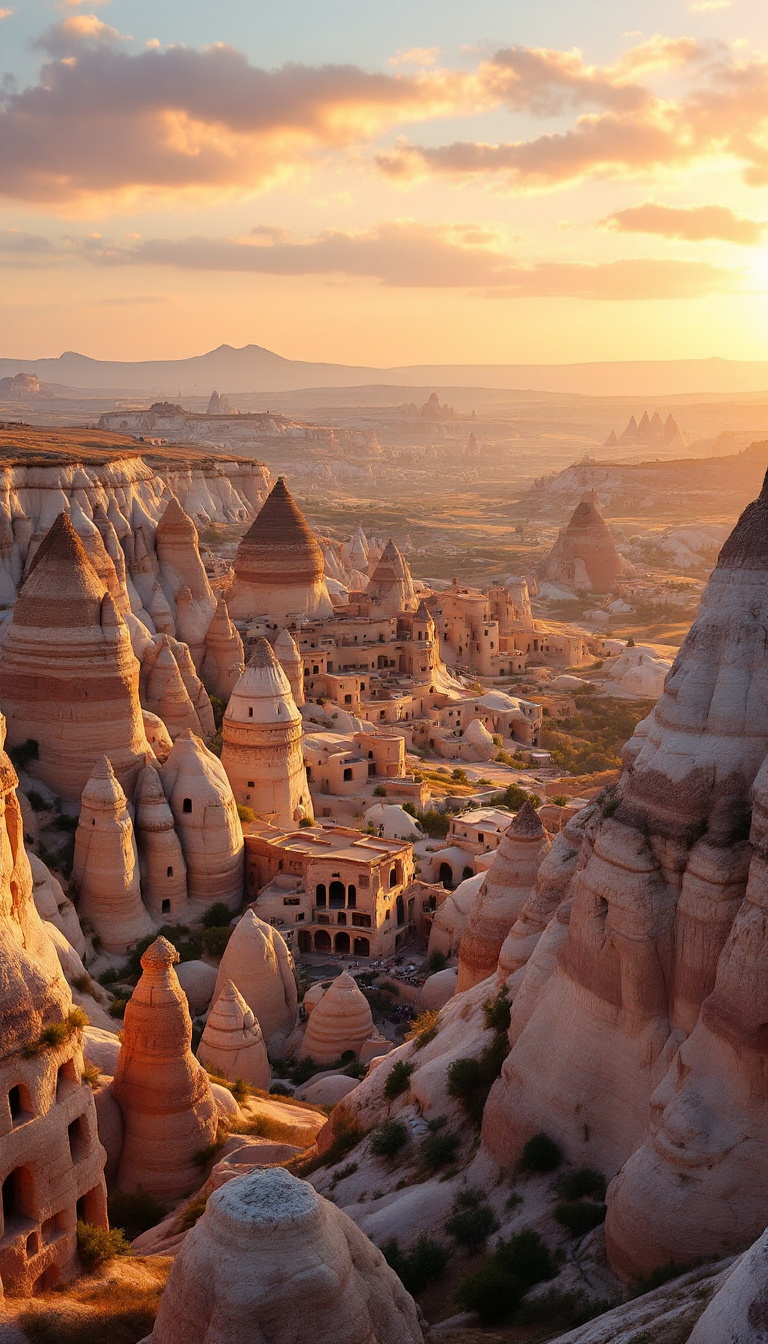
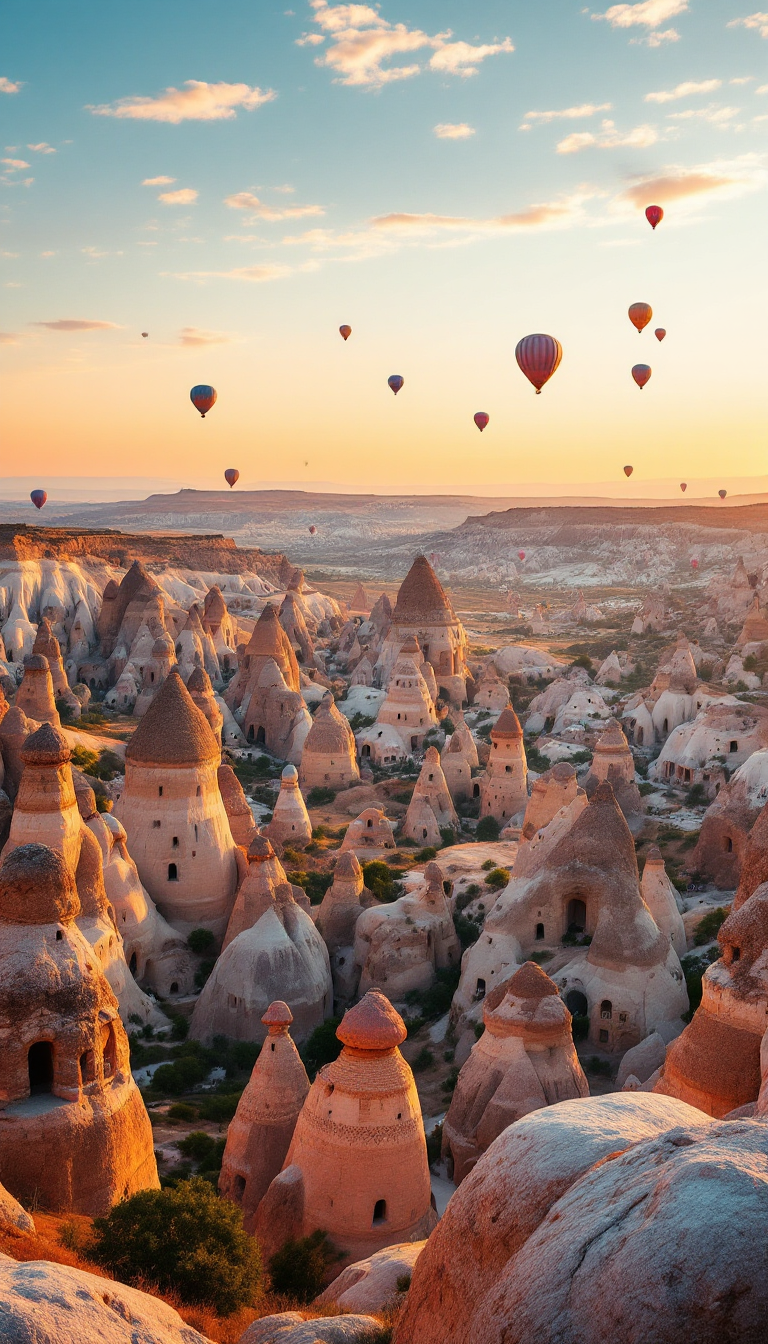
The region’s distinctive topography emerged from ancient volcanic eruptions that blanketed the area in thick ash. Over millennia, wind and water carved this soft tuff into the pillars, cones, and valleys we see today. Rose Valley showcases pink-hued rock formations that glow intensely during golden hour. Red Valley offers rust-colored stone towers that contrast dramatically against cobalt skies.
Göreme Open Air Museum presents a UNESCO World Heritage site where Byzantine monks carved elaborate churches into the rock faces between the 10th and 12th centuries. The frescoes inside these cave sanctuaries display remarkable preservation, offering cultural photographers glimpses into medieval religious art. Pasabag Valley, known locally as Monks Valley, features some of the region’s most photogenic fairy chimneys with multiple stone caps balanced precariously atop slender columns.
Optimal Times for Cappadocia Photography
Dawn breaks over Cappadocia with soft light that gradually illuminates the valleys from above. Hot air balloons launch before sunrise, creating silhouettes against the emerging sky. The pre-dawn blue hour offers a mystical quality as dozens of balloons drift silently over the formations. Morning light wraps around the curves of fairy chimneys, revealing texture and dimension.
Sunset transforms the landscape into a palette of amber, rose, and violet. Photographers position themselves on elevated viewpoints like Uchisar Castle or the ridges above Göreme. The horizontal light emphasizes every contour and crevice in the volcanic rock. Twilight extends the shooting window as the landscape transitions through subtle color shifts.
Cultural Dimensions of Cappadocia Landscape Photography
Photography in this region extends beyond geological documentation. The landscape carries deep cultural significance as a refuge for early Christians fleeing persecution. Underground cities like Derinkuyu once sheltered thousands of inhabitants across multiple subterranean levels. These architectural marvels demonstrate human ingenuity in adapting to challenging environments.
Traditional cave dwellings continue to function as homes, hotels, and studios. The architecture blends seamlessly with the natural formations, creating a harmonious relationship between human habitation and geological context. Photographing these inhabited spaces requires cultural sensitivity and respect for residents’ privacy. According to UNESCO’s documentation, the Göreme valley and surrounding rock sites represent extraordinary evidence of Byzantine art during the post-Iconoclastic period.
Local artisans maintain pottery traditions dating back to Hittite civilizations. The red clay from Cappadocia’s soil produces distinctive ceramics fired in traditional kilns. Workshop interiors carved into cave walls offer atmospheric photography opportunities that connect contemporary craft with ancient practices.
Architectural Photography in Cave Formations
The rock-cut architecture presents unique challenges for interior photography. Cave churches feature domed ceilings and arched doorways carved entirely from volcanic tuff. Natural light filters through small windows, creating dramatic chiaroscuro effects on frescoed walls. Wide-angle lenses capture the spatial relationships between carved columns and vaulted spaces.
Pigeon houses dot the cliff faces throughout the valleys. These geometric patterns of small openings served practical purposes, providing fertilizer for vineyards and orchards. Their repetitive forms create abstract compositions when photographed from various angles. The interplay between human-made cavities and natural erosion patterns tells a story of agricultural adaptation.
Planning Your Cappadocia Landscape Photography Journey
Successful photography expeditions require careful planning around seasonal conditions. Spring brings wildflowers that soften the stark landscape with splashes of color. Summer offers extended daylight hours but intense midday heat. Autumn provides crisp air and excellent visibility. Winter transforms the formations with snow caps and frost-covered valleys.
Transportation between photography locations benefits from local knowledge. Hiking trails connect major valleys, allowing photographers to discover hidden vantage points inaccessible by vehicle. The Rose Valley to Red Valley trail spans approximately four kilometers through continuously changing geological features. Love Valley presents more challenging terrain with its distinctive conical formations.
For travelers seeking expertly curated experiences that balance photography opportunities with cultural immersion, bespoke Mediterranean tours can arrange access to lesser-known locations and optimal timing for landscape conditions. Professional guides understand how light interacts with specific formations throughout the day.
Essential Locations for Landscape Photography
Devrent Valley showcases imaginative rock formations that resemble animals and figures. Photographers find endless compositional possibilities among these natural sculptures. The absence of cave churches means fewer restrictions on photography hours and positions.
Zelve Open Air Museum features three valleys of abandoned cave dwellings and monasteries. The complex architectural remains create layers of human history visible in cliff faces. Photographing the interconnected rooms and passages requires careful attention to exposure in mixed lighting conditions.
Cavusin village preserves old cave houses climbing a towering rock face. The Byzantine church of St. John the Baptist occupies the summit, offering panoramic views across surrounding valleys. The village represents authentic daily life continuing within this extraordinary landscape.
Technical Approaches to Cappadocia Photography
The scale of fairy chimneys and valleys challenges conventional composition techniques. Including foreground elements provides depth and context for the massive formations behind. Rock textures in the immediate foreground lead viewers’ eyes toward distant features.
Dynamic range in Cappadocia scenes often exceeds camera sensor capabilities. Graduated neutral density filters balance bright skies against shadowed valley floors. Bracketing exposures allows for HDR processing while maintaining natural appearance. The soft rock formations benefit from detail-preserving techniques that avoid over-sharpening.
Long exposures during balloon launches smooth cloud movement while balloons remain relatively stationary against the wind. Tripods prove essential for low-light conditions at dawn and dusk. Remote releases prevent camera shake during critical moments when light quality peaks.
Color and Texture in Volcanic Landscapes
The volcanic tuff displays surprising color variation depending on mineral content and lighting conditions. Warm tones dominate most formations, but sections reveal grays, creams, and even greenish hues. Photographers enhance these natural variations through careful white balance selection and subtle saturation adjustments.
Erosion patterns create intricate surface textures that reward close examination. Macro photography reveals the porous nature of the tuff and the delicate balance between hardened cap rock and softer pedestals. These details tell the ongoing story of geological transformation.
Cultural Sensitivity in Photography Practice
Photographing in Cappadocia requires awareness of local customs and religious sensitivities. Many cave churches remain active worship sites. Flash photography damages delicate frescoes and disturbs the contemplative atmosphere. Tripods may be prohibited in certain locations to protect both artwork and visitor experience.
Residential cave dwellings deserve the same privacy considerations as conventional homes. Photographers should request permission before capturing images that include private property or identifiable residents. Many locals welcome respectful photography and enjoy sharing stories about their unique living situations.
Commercial photography and drone operations require official permits from Turkish authorities. Regulations protect both cultural heritage sites and visitor safety. Understanding these requirements prevents legal complications and demonstrates respect for preservation efforts.
Sustainable Photography Tourism
The fragile volcanic rock erodes under foot traffic and environmental exposure. Photographers contribute to conservation by staying on designated paths and avoiding climbing on formations. Popular sunrise viewpoints experience heavy use, so arriving early secures positions without crowding or damaging vegetation.
Supporting local businesses sustains communities adapting to tourism pressures. Hiring local guides provides employment while ensuring photographers access the best locations responsibly. Purchasing regional crafts and dining at family-owned restaurants distributes tourism benefits throughout the community.
Beyond the Iconic Cappadocia Landscape Photography Spots
While Göreme and surrounding valleys receive most attention, outlying areas offer equally compelling photography with fewer visitors. Soganli Valley preserves rock-cut churches in a more remote setting. The valley’s agricultural character shows traditional land use continuing around geological wonders.
Ihlara Valley cuts a dramatic gorge through the plateau with a river flowing along its base. The canyon walls rise over 100 meters, sheltering Byzantine churches and lush vegetation. The microclimate creates unexpected greenery contrasting with the arid plateau above.
Underground cities present extreme low-light photography challenges but reward patient photographers with haunting images of human resilience. Ventilation shafts create dramatic light beams piercing multiple levels of carved chambers. The spatial disorientation adds to the mysterious quality of these subterranean refuges.
Cappadocia landscape photography offers cultural explorers a profound connection between geological processes, human history, and artistic expression. The formations inspire wonder while the cultural layers add depth to visual storytelling. Each visit reveals new details as light and seasons transform the eternal landscape into momentary perfection. Photographers leave with images that capture not just geological curiosities but the essence of human adaptation to extraordinary environments.